Fueling with energy chews gives you more control: smaller doses, easier to rotate flavors, and optional caffeine exactly when you need it. This guide breaks down how they work, which ones are worth carrying, and how to pick the right one for your next long day.
Energy gummies solve a specific problem: fast carbs and dosing in a format you can actually manage mid-effort. If you're here, you're probably weighing options — which brand, how much caffeine, whether they'll sit well at mile 18. Maybe you're wondering: wait, should I use gels or gummies?
That's what this is for. We carry a full collection of energy chews and gummies with filters for caffeinated, high-sodium, and neutral flavor options. Below is the science, the brand breakdowns, and a straightforward way to match a chew to your next training day.
What are energy gummies?
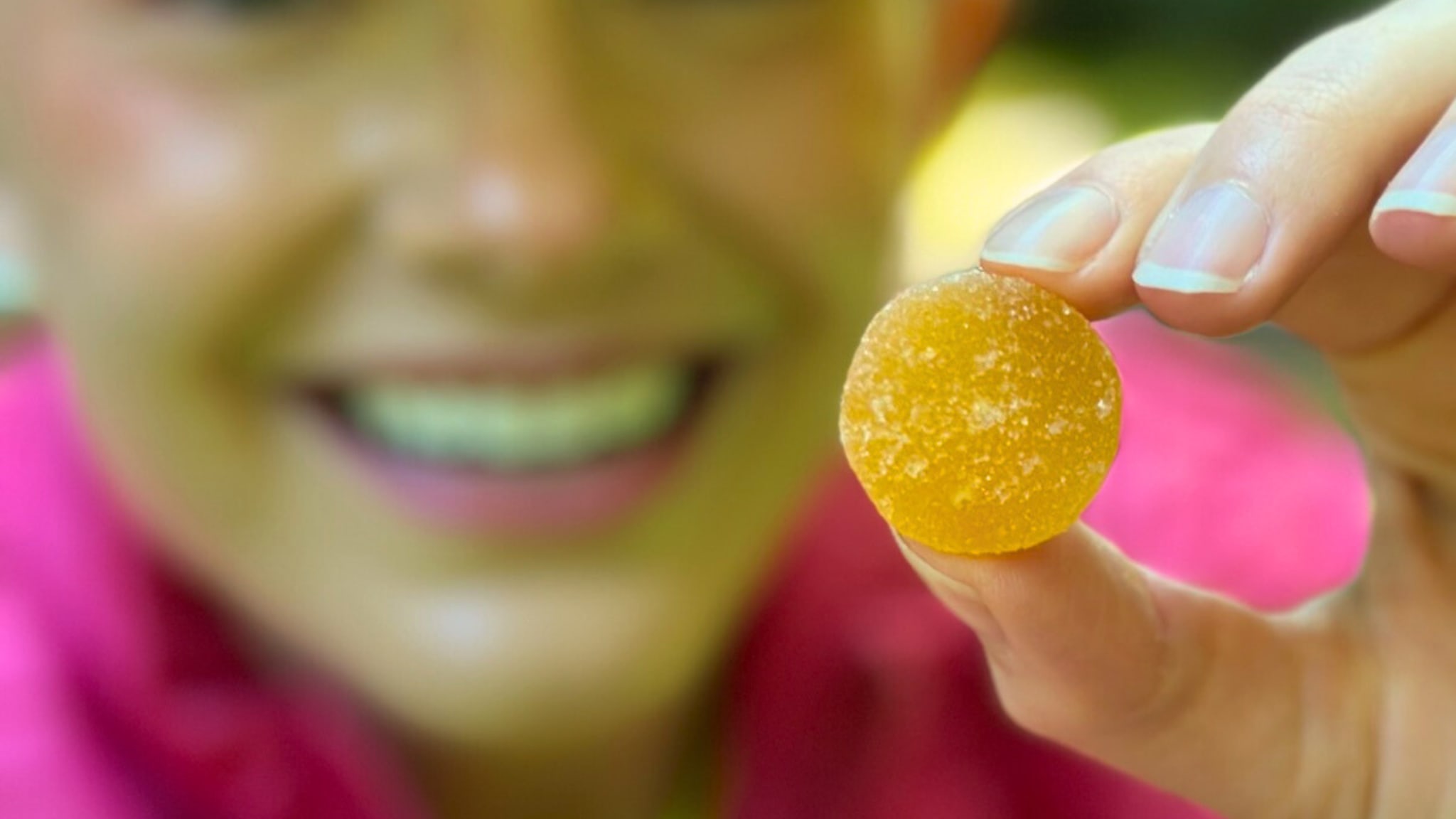
Energy gummies — more commonly called energy chews in sport — are bite-sized fuel made from fast-absorbing sugars. Think soft fruit candy engineered for exercise: roughly 20-40g of carbs per pack, mostly carbohydrate, usually with sodium and sometimes caffeine.
They sit between gels and bars on the convenience spectrum. Easier to portion than a gel, less chewing than a bar, and simple to stash in a vest pocket or jersey.
Are chews actually good for sustained energy?
Yes — when you treat them as part of a consistent hourly fueling plan rather than a one-time pick-me-up. Carbs handle muscle glycogen and blood glucose. Caffeine can boost focus and lower perceived effort when you need it.
Sustained energy looks like: regular chew intake, enough fluid, electrolytes in heat, and caffeine placed where it actually helps — race starts, night runs, the back third of a long effort.
Why chews make sense for endurance athletes
Portion control. Eat a few chews or a full serving without fumbling with a sticky gel packet.
Gut-friendly options. Pectin-based or natural chews (Skratch, Honey Stinger) can be a great alternative to standard artificial options.
Flavor rotation. Easier to switch flavors across a multi-hour effort, which matters more than most athletes expect.
Pocket-ready fuel. For trail runners, cyclists, and anyone who needs to fuel on the go.
What to look for on the label
Carb source: glucose + fructose for dual-transporter absorption; honey or tapioca for a simpler ingredient story.
Carb amount: aim for 20 to 25g per serving as a primary fuel source. Multiply by servings per hour — most athletes target 60g/hr, more for elites or high-intensity efforts.
Sodium: 25 to 80+ mg per serving matters in heat. Pair with an electrolyte drink if you sweat heavily.
Caffeine source and dose: listed in milligrams, ideally. Coffee fruit, green tea, yerba mate, or synthetic — all work; just know what you're getting.
Certifications: Informed Choice (GU) if you're subject to drug testing; USDA Organic (PROBAR, Honey Stinger) if that matters to your buying criteria.
What to avoid if you're sensitive: sugar alcohols, excessive artificial colors, anything that's caused GI problems in previous races.
Serving sizes vary across brands — half a pack vs. a full pack is a real difference. Read before you race.
How do caffeine and carbs work together?
The science behind it
Carbohydrates are your high-intensity fuel. During hard aerobic work, muscles run on glucose. Energy chews deliver simple sugars — glucose, fructose, maltodextrin, honey, tapioca syrup — so blood sugar rises within minutes, especially when you take chews with water (then it's just as good as a gel at absorption).
Most modern chews use a dual-carb blend of glucose and fructose. Those sugars use different intestinal transporters, which means you can absorb more carbohydrate per hour with less GI stress. That matters on long rides and runs where 60 to 90+ grams of carbs per hour is realistic for trained athletes.
Caffeine is the lever you pull when you need to be at your best or when the fatigue of a hard day is setting in. Research on endurance performance points to roughly 3 to 6 mg per kg of body weight as an effective range, taken before or during exercise. Most chews keep doses practical: around 20 to 50 mg per serving, so you can stack with coffee or a caffeinated gel without blowing past your daily ceiling.
Rough timing guide: carbs every 30 to 45 minutes during long efforts; caffeine 30 to 45 minutes before a key climb, hard interval block, or the back half of a race.
The best caffeinated energy chews on The Feed
The best chew is the one you'll actually eat on schedule, every 30 to 45 minutes, without GI issues. These are the top-rated and highest-selling caffeinated chews on The Feed right now.
Noogs Sour Energy Chews — 50 mg caffeine
Noogs are built around a problem most athletes don't name until hour three: flavor fatigue. The sour profile keeps them palatable deep into a long effort when sweet chews start to feel like punishment. Pectin base, so the texture stays soft and doesn't cement to your molars. Each serving delivers 19g carbs, 150mg sodium, and 50mg potassium — one of the higher electrolyte profiles in this category. Most flavors are caffeine-free; Strawberry Lemonade and Poolside Pop are the caffeinated options.
Best for: athletes who hit flavor fatigue on long efforts, anyone who runs hot and needs higher sodium in the chew, and people who want a sour alternative to the standard candy-sweet options.
Honey Stinger Energy Chews — 50 or 100 mg caffeine
Honey Stinger Energy Chews are built around organic honey and tapioca syrup — two carb sources that absorb quickly and sit well on the stomach. A full pack is 160 calories and 39g of carbs; per serving it's 80 calories, 20g carbs, and 65mg sodium. The caffeinated flavors — Berry Blast and Tropical Twist — come in at 50mg or 100mg caffeine per serving, which is meaningfully higher than most chews in this category. Worth knowing before you stack them with a morning coffee. Everything else in the lineup is stimulant-free. USDA organic, gluten-free, dairy-free.
Best for: athletes who want a substantial caffeine dose in a clean, honey-based chew — and enough flavor variety to rotate across a long effort without getting locked into one.
Skratch Labs Energy Chews — 50 mg caffeine
Skratch Energy Chews are built around real fruit and a short ingredient list. Most flavors are caffeine-free; Sour Cherry is the caffeinated option at around 50 mg per serving. Dual-carb blend, no artificial dyes, and a softer texture that works well for athletes who find most chews too sticky or sweet.
Best for: ultrarunners and athletes with sensitive stomachs who want clean ingredients and controlled caffeine without anything artificial.
PROBAR Bolt Energy Chews — 20 mg caffeine
PROBAR Bolt is USDA organic, with Raspberry and Berry Blast as the caffeinated flavors — 20 mg from yerba mate, 23g carbs, 90 calories, and 75 mg sodium per serving. Among the highest review counts in the chews category on The Feed.
Best for: organic-focused athletes who want B vitamins, higher sodium, and a fruit-snack texture that doesn't stick to your teeth.
Clif Bloks Energy Chews — 25 or 50 mg caffeine
Clif Bloks are one of the most recognizable chews in endurance sport for good reason — they're consistent, easy to find, and widely tested across every discipline. Each block is individually portioned, which makes it easy to dial in carbs without committing to a full serving. Black Cherry and Mountain Berry flavors carry 50 mg caffeine per 3-block serving; other flavors are caffeine-free. Around 24g carbs and 70 mg sodium per serving.
Best for: athletes who want granular portion control, a tried-and-true texture that holds up in heat and cold, and a caffeinated option that's easy to split across a long effort.
How much caffeine is in energy chews?
Most caffeinated sport chews fall into two practical ranges:
Low dose (~20 mg per serving): GU Strawberry, PROBAR Berry Blast/Raspberry — easy to stack with coffee or a gel.
Moderate dose (~50 mg per serving): Honey Stinger Plus, Skratch Sour Cherry, Clif Bloks Black Cherry/Mountain Berry — meaningful on their own, something to track if you're already caffeinated.
For reference, an 8 oz coffee runs 80 to 100 mg. Most sports dietitians put the practical daily ceiling around 400 mg from all sources. Stack carefully on race morning.
One thing worth noting: caffeine is flavor-specific on most of these. Always check the flavor name on the pouch, not just the brand.
Matching chew to workout
Long endurance (2+ hours): lead with carbs per hour; use 20 mg caffeine chews early and save the 50 mg options for the final third if you tolerate caffeine late.
Race start or interval day: 20 to 50 mg caffeine 30 to 45 minutes before the hard block, chews on the clock every 30 to 45 minutes after.
Heat and heavy sweat: reach for higher-sodium options (PROBAR Bolt, Clif Bloks) and pair with a hydration drink.
Sensitive stomach: Skratch or Honey Stinger; test in training, never on race morning.
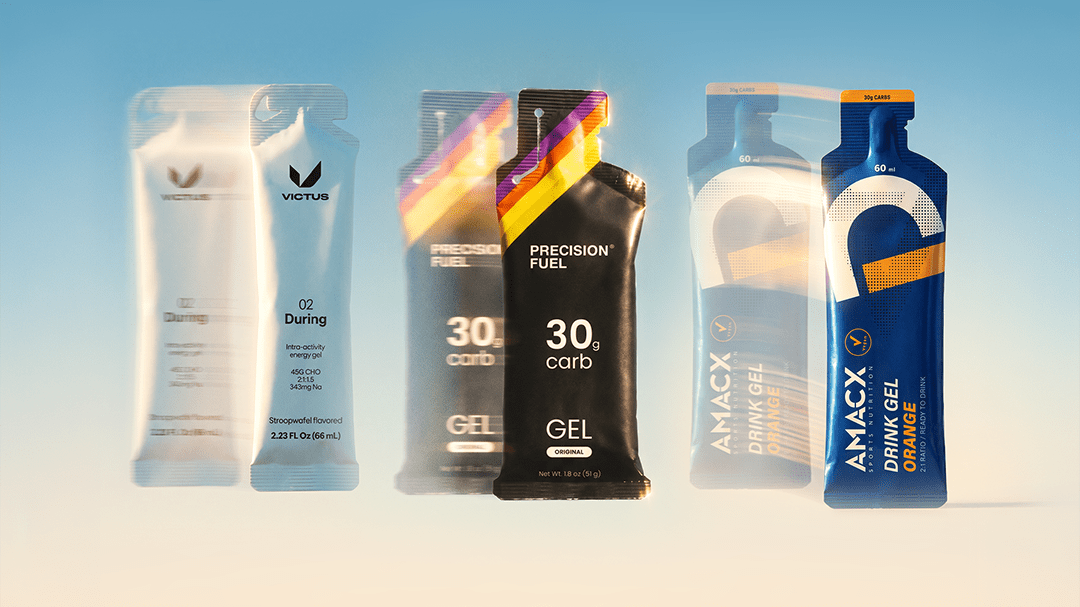
Chews vs. gels: gels give you maximum carbs in minimum volume — 40g in one packet. Chews let you pace intake, avoid gel texture, and split doses across an effort. Most athletes use both in longer events.
Chews vs. bars: bars can add fat and/or fiber, which slows absorption. Chews are faster fuel for intensity. Save the bar for an easy day or a long slow effort where digestion isn't a constraint.
Common issues and how to avoid them
Most problems with chews come down to timing and dosing, not the format itself:
GI distress: too many carbs too fast without enough water. Take chews with fluid.
Nausea: caffeine on an empty or near-empty stomach. Eat something first.
Jitters or elevated heart rate: stacking chews, coffee, and a pre-workout without tracking total caffeine.
Sleep disruption: late-day caffeine. Know your cutoff time.
Dental stickiness: less of an issue with pectin-based chews, but rinse when you can.
Test any new chew in training — in a key workout that mimics race conditions — before committing to it on race day.