
The Caffeine Superboost
After two boys, a coffee before the run stopped doing much for my energy. But then I discovered the Caffeine Superboost. Below, I go through the what, why, and how behind a boost that lasts through your day.
After two boys, a coffee before the run stopped doing much for my energy. But then I discovered the Caffeine Superboost. Below, I go through the what, why, and how behind a boost that lasts through your day.

George Brooks spent five decades studying lactate while most of the sports world treated it as a waste product, and his lab is the one that showed how it can be a fuel source. His partner Iñigo San Millán brought that research to professional cycling, and Enervit built a gel around it.

A good marathon fueling plan built around gels comes from three inputs: your finish time, your gel size, and an hourly carbohydrate target. In this article, we'll show you how to plan for your next marathon.

A common view is that short workouts need no fuel, since the body already stores plenty of carbs as glycogen. David Roche is challenging that view and proving that it's not something only benefiting the elite, but all of us.

Fueling with gels isn't just for pro athletes. Any runner training for a marathon should use gels as part of their plan. Here are the best energy gels for marathon training and race day, and how to implement them.
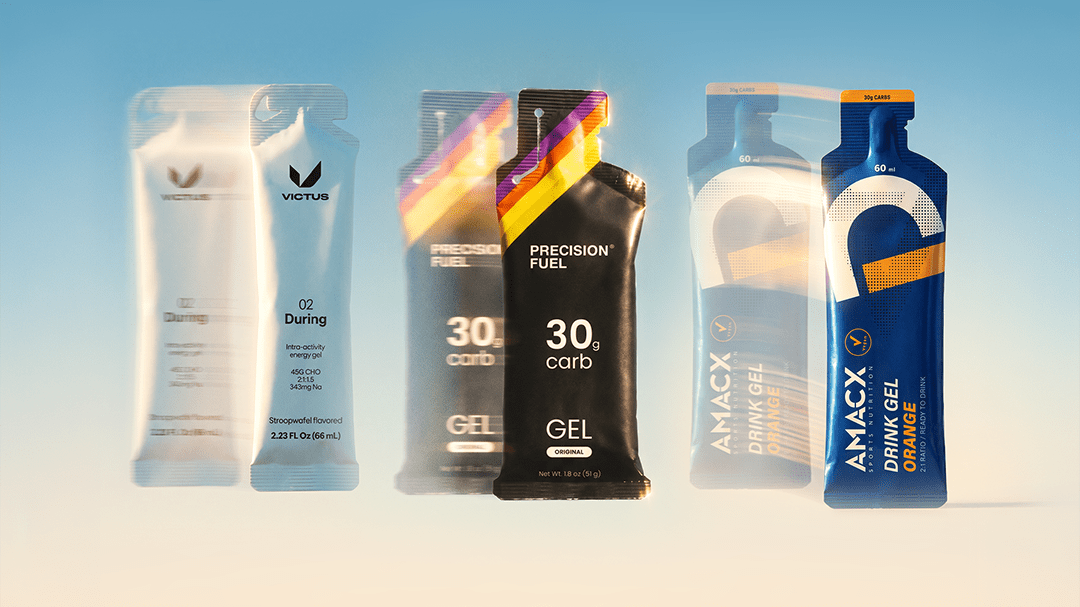
Today's Top 5 is for every athlete, from first 5K to world champ: five performance hacks you can use to go faster.

Here's our take on the best protein powders for endurance athletes and when a recovery mix might better fit the bill.

What is the one thing David Roche would do if his life depended on performance? Fuel. Here's what he recommends to every athlete he coaches.

Prebiotics and probiotics are vital components of overall gut health. It's not so much a question of which one athletes need, but rather where they both fit. In this guide, we'll get into it.

Records didn't just fall this year; they got demolished. What's driving that? More carbs, smarter buffering, real recovery — the levers behind Vollering's Tour win and Sawe's historic marathon are more accessible than you'd think.
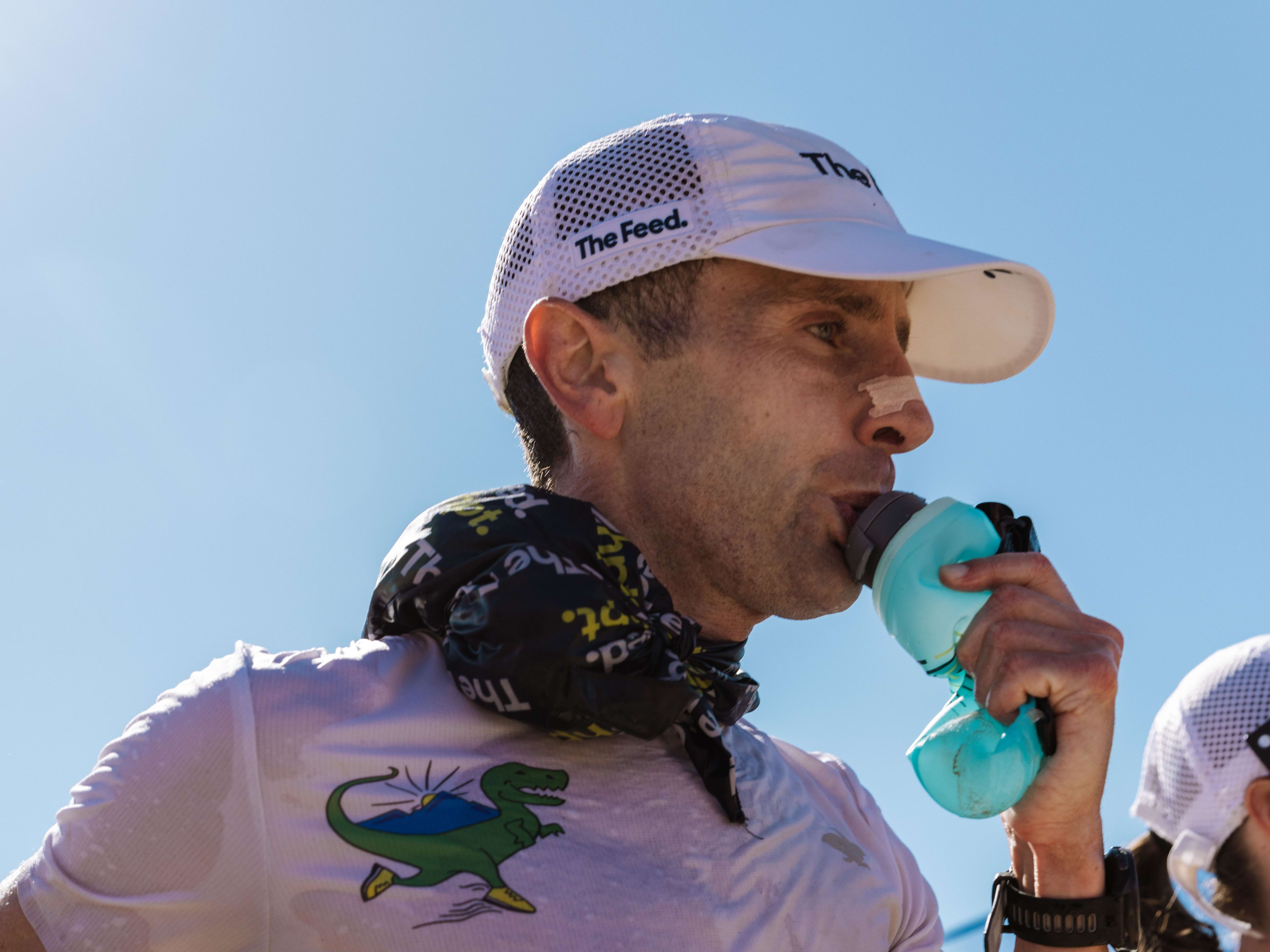
David Roche urges that gut training is like any other part of our training: it takes time and intention. Here are his three rules for training your gut to improve fueling and performance.

Demi Vollering just won her second Tour De France Femmes title, and she didn't do it on just one good day. She won it by showing up to stage nine as strong as stage one, and that comes down to how she was able to fuel day after day of racing.

Athletes ask us about protein more than almost anything else. Not only that, a new study in Sports Medicine just moved the target higher than we previously believed. Here's how to actually hit that number without living on just shakes.
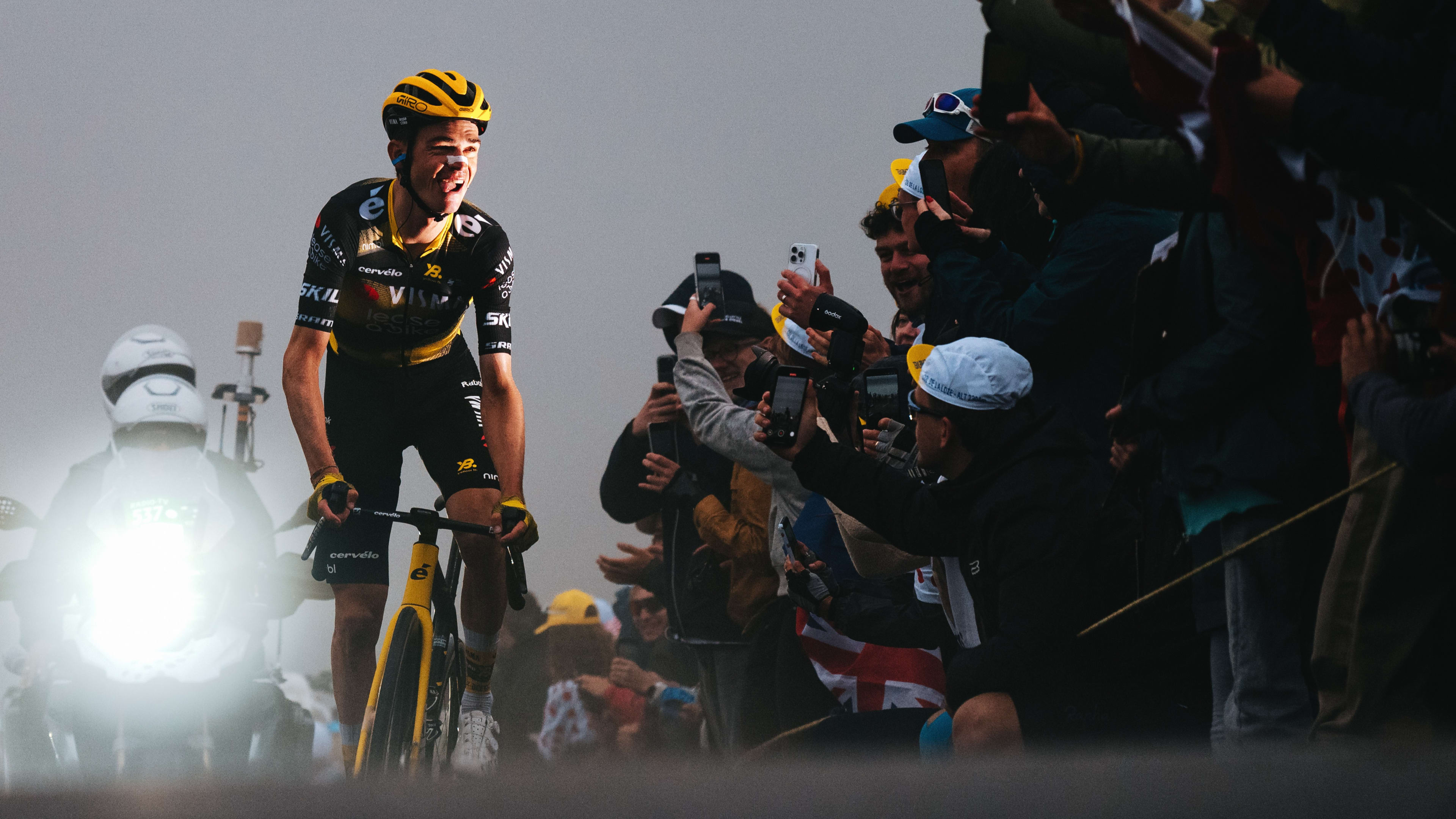
The Tour is in the thick of it, and the GC riders are eating to a tested carb-per-hour plan religiously. Most long-distance cyclists never build that plan for themselves. Tour de Feed Fueling Packs are an easy way to find your fuel so you can build a plan for your next long ride.
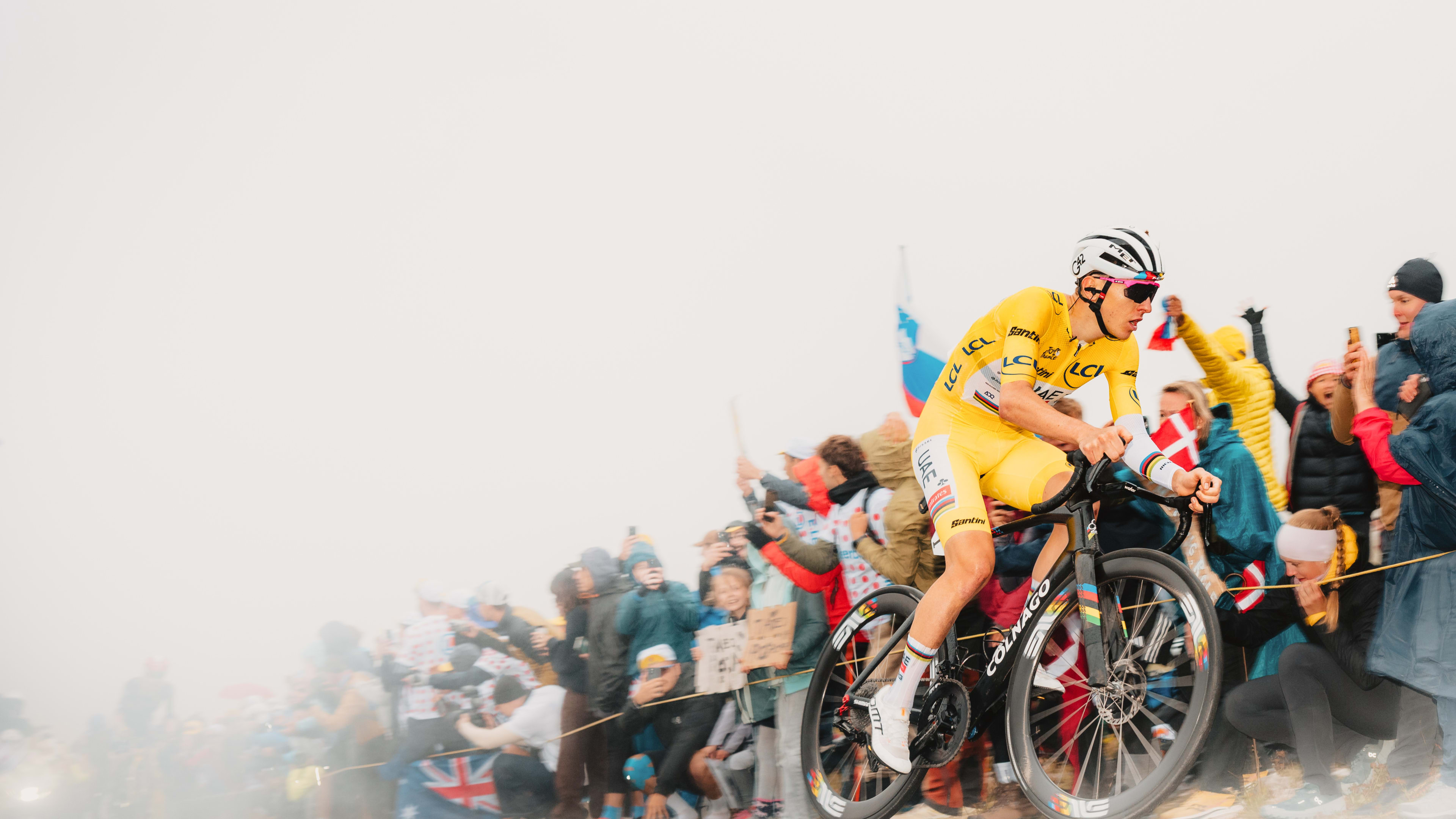
Tadej Pogačar is spearheading an era of performance unlike anything we've ever seen. Between his extraordinary power numbers and incredible climbing records, everyone wants to know — what's Tadej fueling with?

Among other pro athletes, three-time Tour winner and current World Champion Tadej Pogačar has been downing a mysterious, dark drink immediately after finishing a race. This is what it is.

Every stage of this year's Tour has come down to seconds. That kind of racing isn't an accident. It's the byproduct of a fueling arms race that's changed the game. Here's what the Tour's fastest teams are actually eating out there.
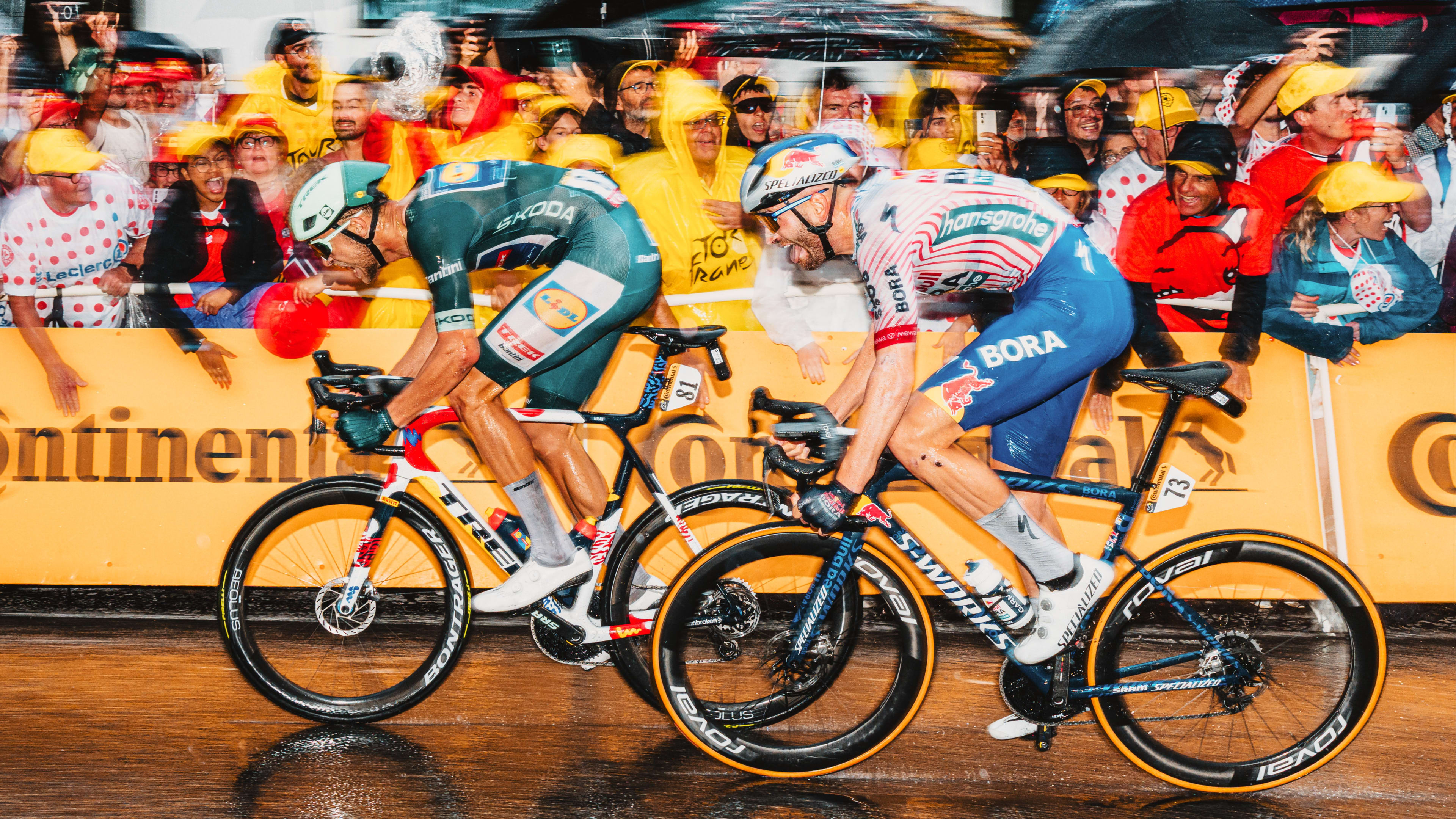
Just a decade ago, 60 grams of carbs an hour was considered the upper end of fueling. Now it's not even the minimum in the WorldTour peloton. Here's what the world's best are actually eating to survive three weeks of racing at the Tour.
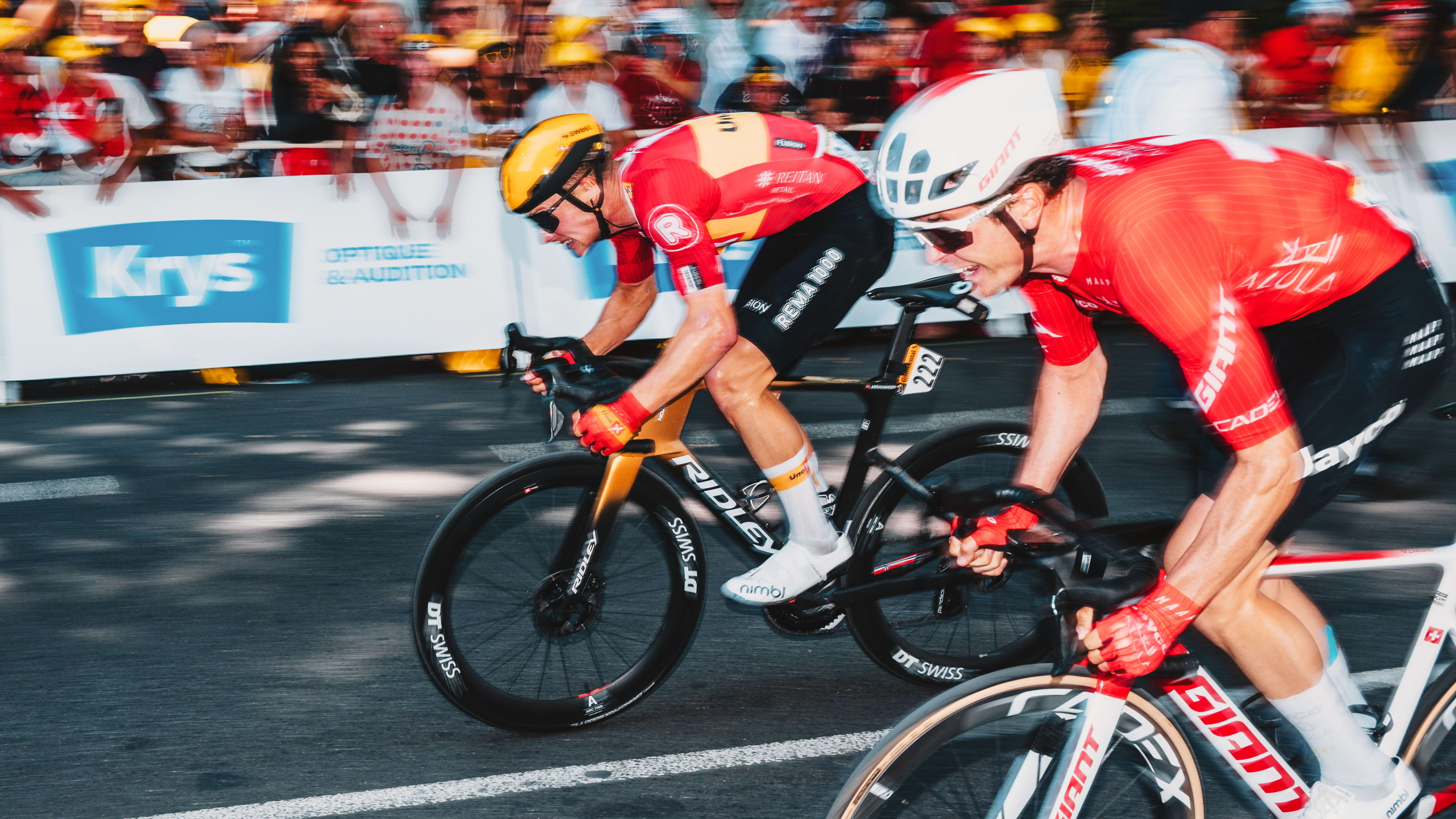
The Tour doesn't just crown the world's best cyclist every July. It stress-tests the limits of human fueling. This is what the last decade taught us.

Every July, the Tour becomes the world's best nutrition lab. Watching teams fuel at the Tour changes how you think about your own training. Here is what we've learned from the fastest riders on the planet.
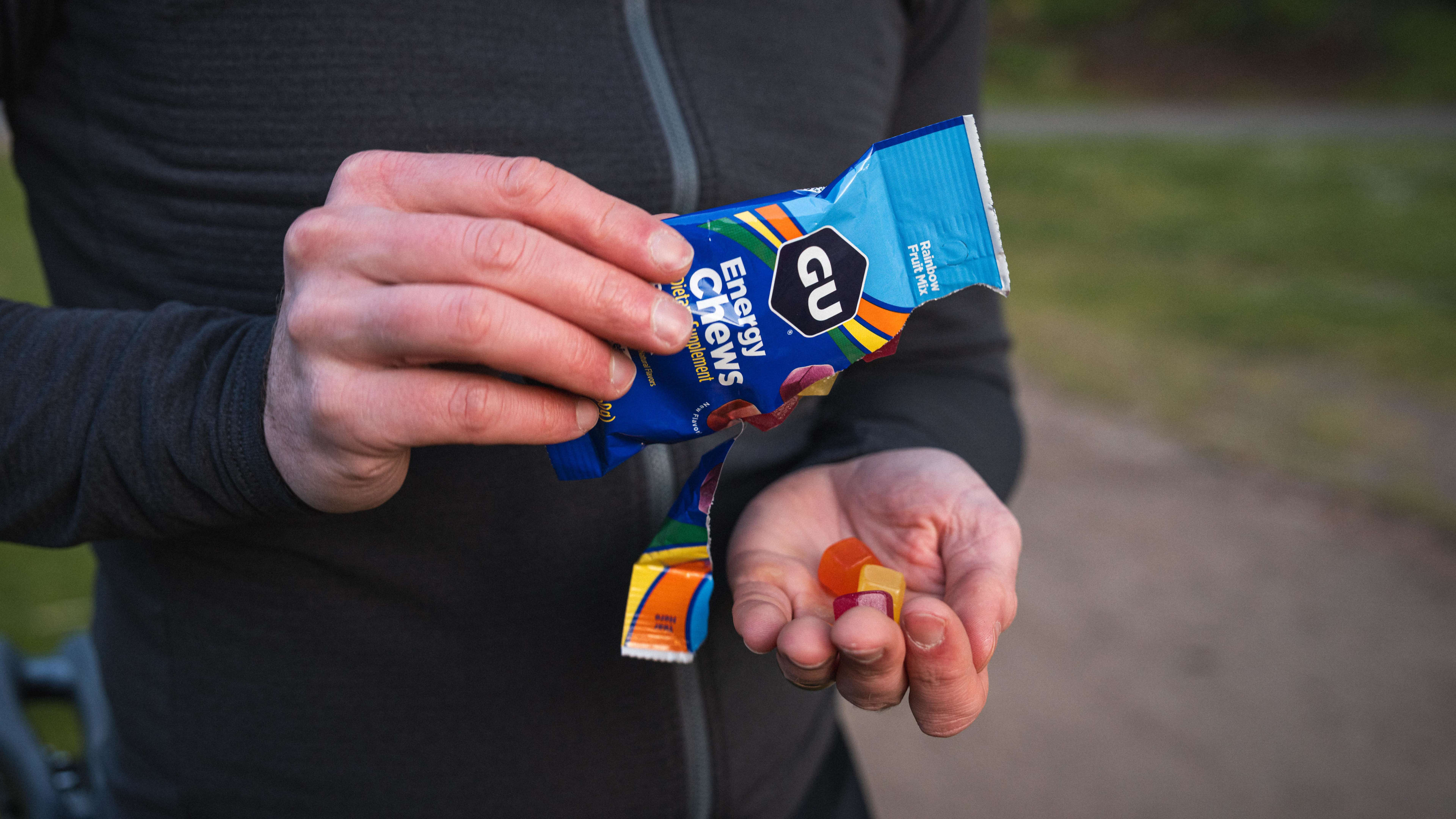
Energy chews can be a useful tool for marathon runners. Chews solve some of the fueling problems athletes face through variety in texture, flavor format, delivery, and portion size. This guide covers the best options for marathon runners, how to use them across all 26.2 miles, and where they fit in your race-day fueling plan.

Creatine is one of the few supplements with decades of research behind it and a list of proven performance benefits. The question most people get stuck on isn't whether to take it — it's how much. This guide breaks down the dosage based on training, goals, weight, and points you to the best options.
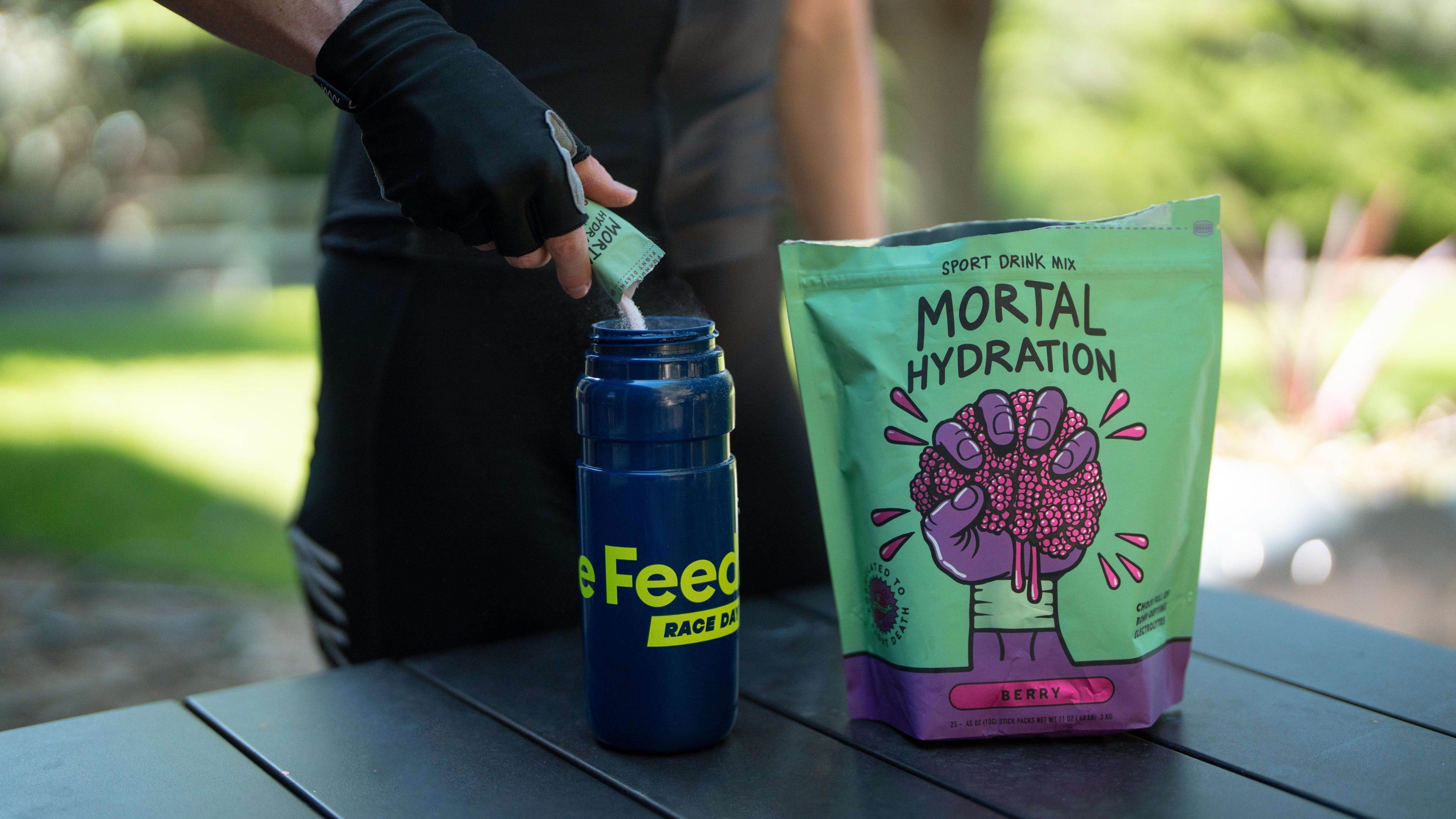
What's the best electrolyte powder for endurance athletes? It depends — on how long you're out, how much you sweat, and whether you want your bottle to carry carbs or just electrolytes. This guide breaks down the science, compares top options across sodium levels and use cases, and helps you find the right fit.
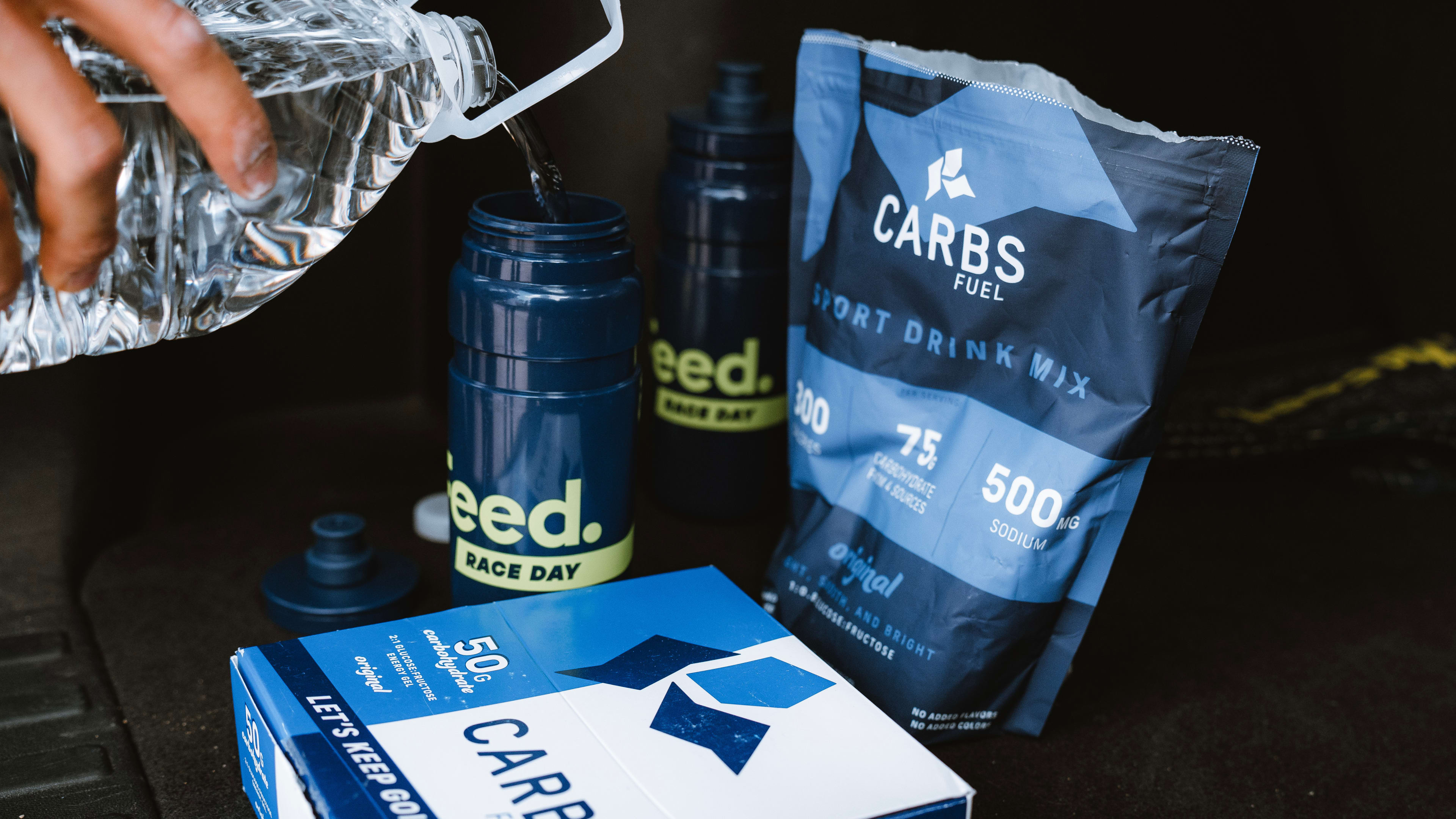
After one of my recent workouts, I figured that it cost me $36 in product. That's not reasonable. Here's how to plan your next workout so you can still fuel high-carb and not break the bank.