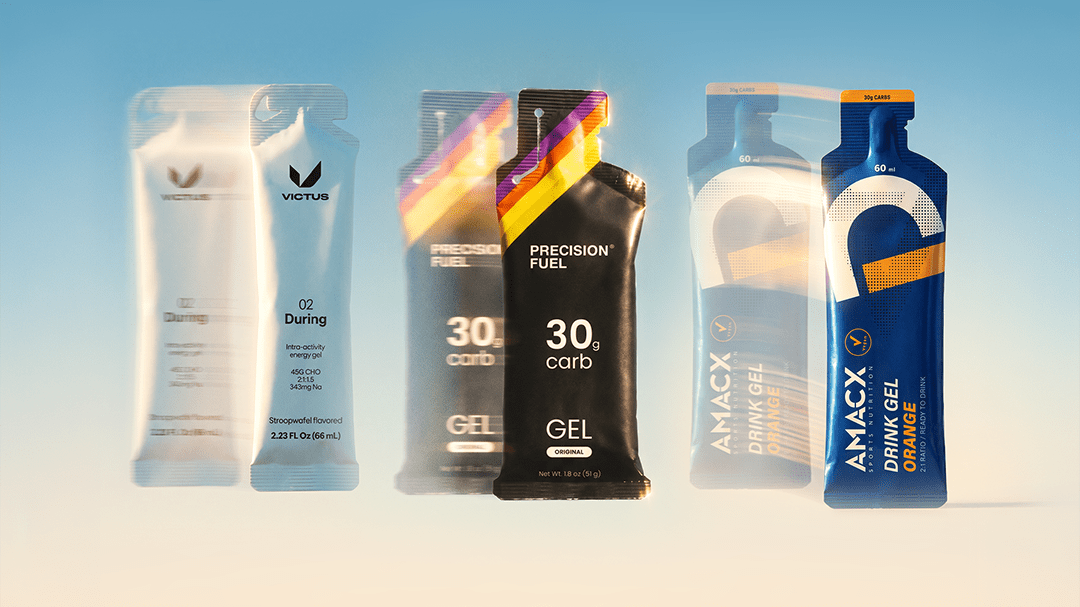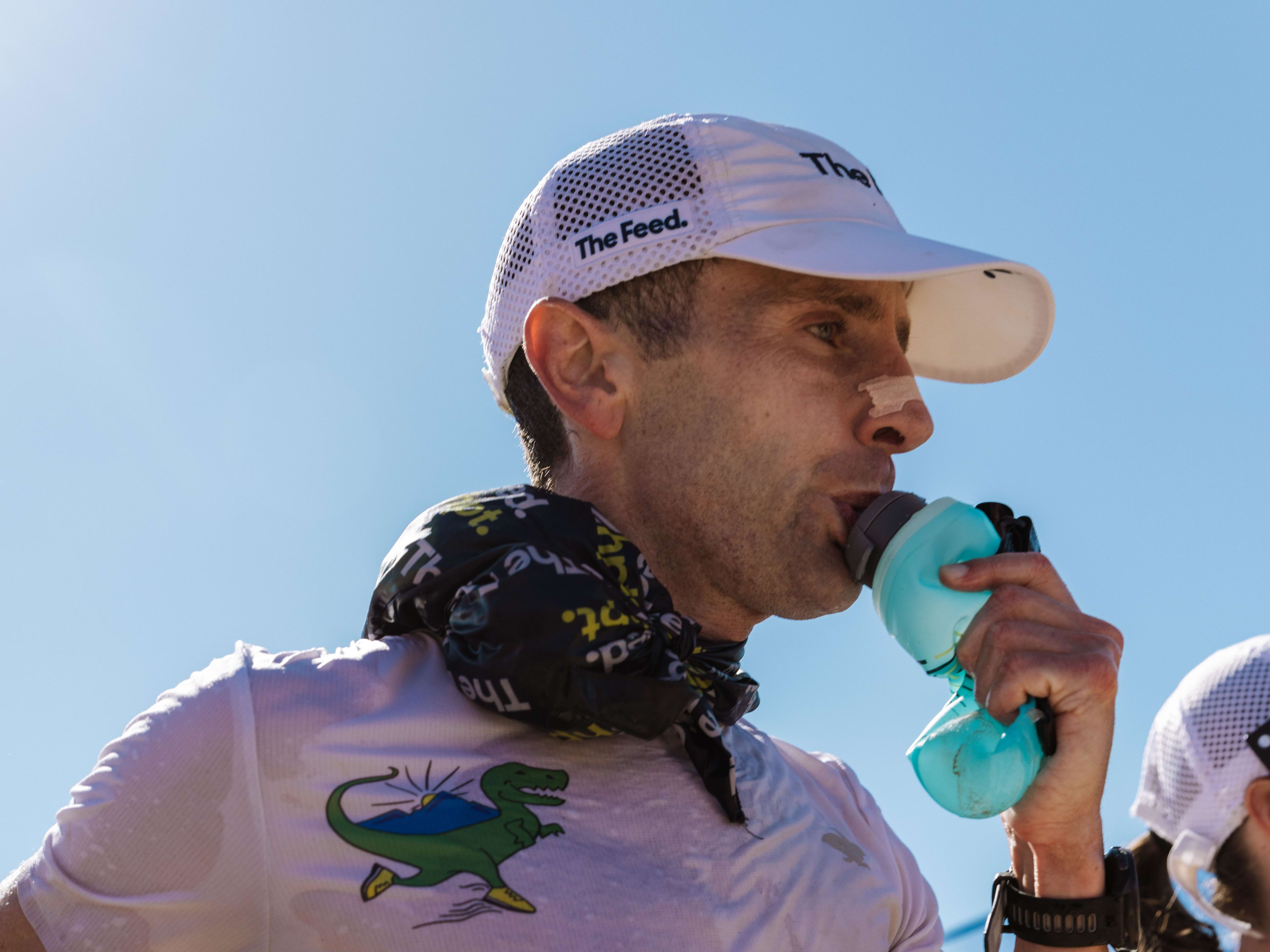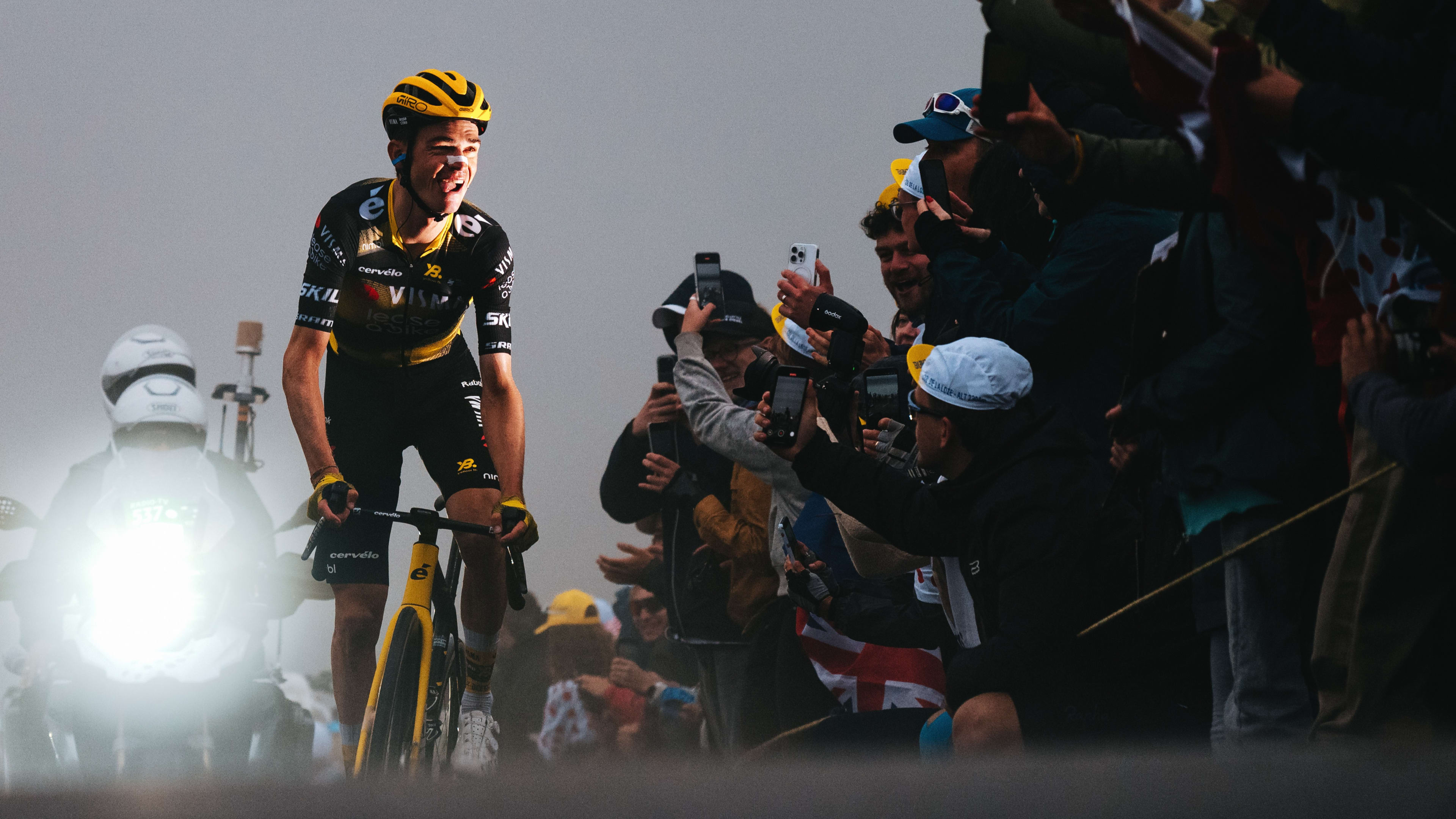
The Tour is in the thick of it, and the GC riders are eating to a tested carb-per-hour plan religiously. Most long-distance cyclists never build that plan for themselves. Tour de Feed Fueling Packs are an easy way to find your fuel so you can build a plan for your next long ride.
The Tour is a feat unlike any other. From hundreds of kms across the scorching flats to monumental mountain finishes. Every rider still fighting for the podium or a stage win needs more carbohydrate per hour than almost any recreational cyclist ever attempts.
That difference between a WorldTour team's fueling routine and a weekend rider's routine is exactly what Tour de Feed Fueling Packs are built to help with. The packs group sample sizes across five categories: gels, hydration, chews, bars, and waffles, the same categories a pro team runs through on a long stage.
What does good cycling nutrition include?
Good cycling nutrition covers four layers:
Carbohydrates during the ride so glycogen does not crash after 90 minutes +.
Fluid and sodium matched to sweat rate, composition, and heat.
Format variety so flavor fatigue doesn't stop you from eating.
Recovery after long or hard days so the next ride starts fueled.
How many carbs per hour should a cyclist eat?
Most riders start around 30 to 60 grams of carbohydrate per hour on rides past ninety minutes. Trained athletes push toward 60 to 90 grams per hour on longer, harder days, usually with dual-source glucose-and-fructose products that absorb faster than glucose alone. The pros? They're all 90-120 g of carbs per hour — something that takes both time and practice.
The five Tour de Feed packs
Best for: finding a race-day gel format.
Six gels across hydrogel (Maurten), drinkable (Amacx), caffeinated, and more.
2. Tour de Feed Hydration Pack
Best for: dialing hydration needs before hot days.
A 7-pack spanning high-sodium, hydrogel, carb-plus-electrolyte, and everyday balanced mixes: Mortal, Maurten, Skratch, and more.
Best for: riders who prefer portion control over one-shot gels.
Six chew approaches so you can learn what you can still eat when breathing hard. Strong mid-ride option when gels get too sweet.
Best for: early-ride solids and long endurance blocks.
Six bar formats including Maurten Solid 160, Styrkr Bar50, to a recovery-focused Transparent Labs Grass Fed Protein Bar.
Best for: real-food fuel when hours get long.
Six waffle formats: From the OG Honey Stinger to the iconic Vafels Liège Vafels. The format many riders still want on long rides.
Liquids and gels handle hard efforts. Bars and waffles work early while chewing is still easy. Chews give bite-sized control whenever a rider wants it.
Building a fueling plan around a long ride
The night before
Eat a carb-forward dinner you can rely on; pasta, rice, or potatoes, alongside a normal protein portion and vegetables the gut already knows. Skip a new fiber-heavy dish the night before an event. Drink normally through the evening rather than force-drinking, and go to bed comfortable, not full or bloated.
Two to three hours before roll-out
Choose easy carbs, oats, toast, bagel, or rice, with a decent protein portion. Keep fat and fiber moderate for a sensitive gut. In the final fifteen to thirty minutes, some riders sip drink mix or have a bar that's light and carb-forward.
Minutes 0 to 30 on the bike
Start sipping drink mix right away instead of waiting for hunger to show up.
Minutes 30 to 90
Bring in the first bar or waffle while chewing is still easy for a more solid and "slow" food; keep sipping fluid throughout.
Hours two to three
Rotate a gel or chew every twenty to forty minutes to hold the hourly carb target, moving toward easier textures as fatigue builds.
Hour three and beyond
Lean on gels, drink mix, and soft chews, since dense bars get harder to manage late in a ride. On hot days, raise fluid and sodium.
After the ride
Take in carbohydrate and protein within about an hour. A recovery shake alongside a normal meal covers most athletes. Rehydrate and keep electrolytes coming if the ride ran hot, your body still needs them during the recovery process.
FAQ
What is the best cycling nutrition strategy for a beginner? Start with 30 to 60 grams of carbohydrate per hour on rides past ninety minutes, drink on a schedule instead of waiting for thirst, and test one pack category at a time to learn what a gut can handle.
Do I need gels if I already drink a carb mix? Not always on an easy ride, since drink mix alone can cover much of the carb target. Gels help once intensity rises or bottles alone can't hit the number.
How much fluid should a cyclist drink per hour? Many riders land near 500 to 750 ml per hour, adjusted up for heat and a higher sweat rate. Pair fluid with sodium once a ride runs long or hot.
Does fueling change for an indoor ride? Carb targets stay close to outdoor numbers on a hard indoor session, but heat builds faster indoors, so fluid and sodium need more attention than they do on the road.
Is real food better than gels on a long ride? Early miles usually go easier with real food. Late miles and hard climbing usually go easier with gels and drink mix. Most long-distance plans use both instead of picking one.
How do I avoid bonking in a long race? Start fueling in the first thirty minutes, hit a rehearsed hourly carb number, and run that exact plan on two hard long rides before the event itself.