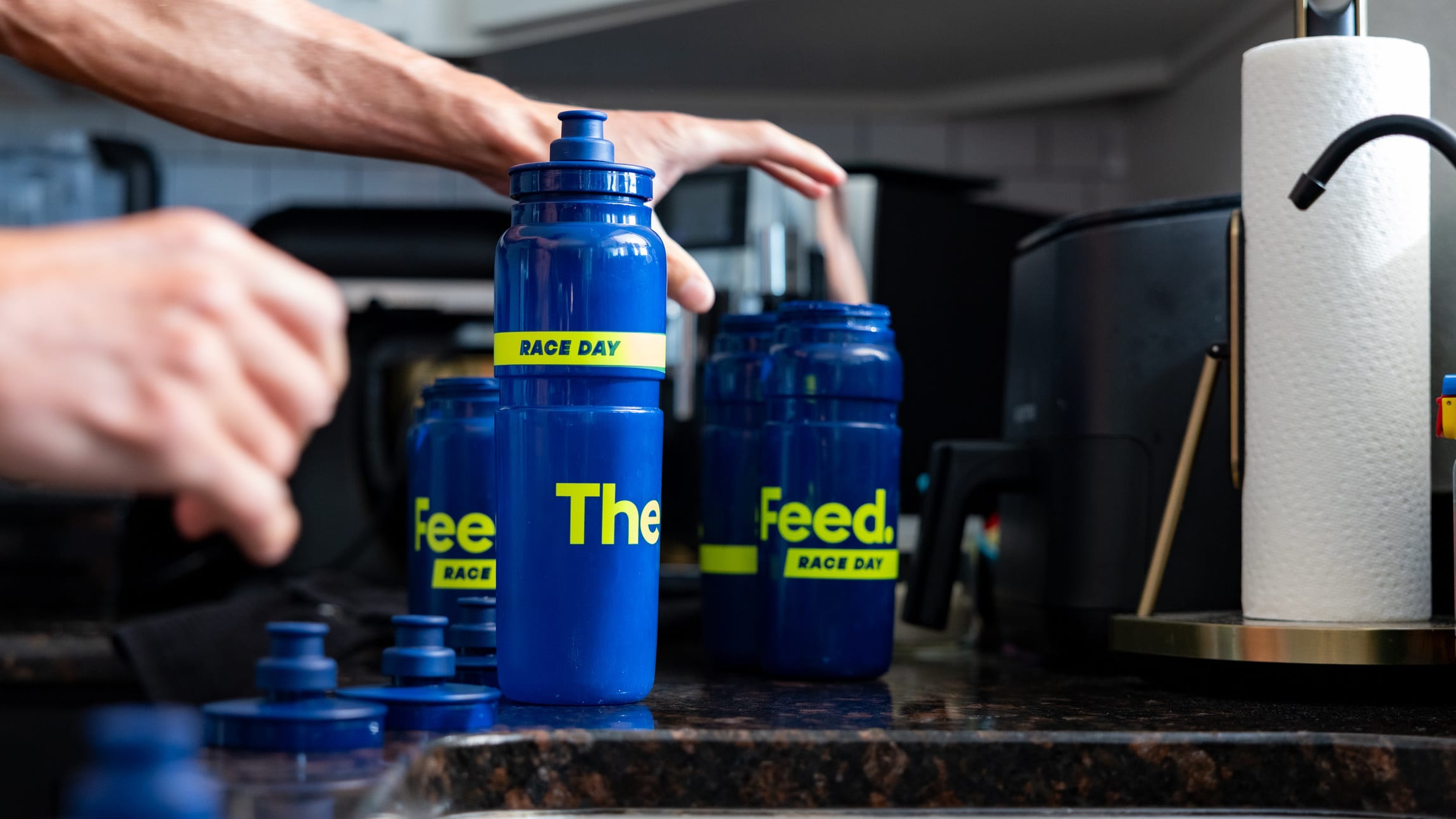
GI distress mid-race isn't a fitness problem — it's a fueling problem. The right carb drink delivers energy without the bloating, cramping, or urgent pit stops that derail your day. The Feed stocks 300+ brands with single-serve options, so sensitive-stomach athletes can test before they commit and show up on race day with a fueling strategy they trust.
Finding a carb drink that fuels hard efforts without wrecking your stomach is harder than it should be. The Feed carries over 300 brands with single-serving options — so you can test what works before committing to a full bag. Whether you're deep into marathon training, grinding through a century ride, or just trying to finish a workout without cramping, the right carb drink changes everything.
Top 5 Best GI-Friendly Carb Drinks for Sensitive Stomachs
Based on digestive science and athlete feedback, here are the best stomach-friendly carb drinks available at The Feed:
Maurten Drink Mix — Hydrogel technology encapsulates carbs, reducing contact with the stomach lining and speeding gastric emptying. The gold standard for sensitive stomachs.
Skratch Labs Super High-Carb — Uses Cluster Dextrin for slower, steadier absorption with minimal GI distress. A serving will get you up to 100g of carbs in one bottle.
The Feed Lab High-Carb Drink Mix – The 2:1 glucose-to-fructose ratio is optimized for absorption and sustained energy. The dual-transporter approach and clean, short ingredient list (maltodextrin, fructose, sodium chloride, sodium citrate) means nothing in there to trigger issues. Best value of the group at $20/bag.
Momentous Fuel – Palatinose is a low-glycemic carbohydrate that digests slowly, providing sustained energy without blood sugar rollercoasters. The slow-release profile makes it particularly well-suited for athletes whose GI issues are tied to rapid blood sugar swings rather than just osmolality.
Precision Fuel & Hydration Carb Only — Allows complete customization of carb levels for individual needs. They are a very mild, pH-balanced option for versatility.
Traditional sports drinks are loaded with highly concentrated carbohydrates, artificial sweeteners, and high-osmolality syrups that pull water into your intestines — setting the stage for bloating, cramping, and mid-run bathroom emergencies.
The problem isn't just what's in the drink. It's how your body handles it under load. The harder you go, the worse it gets. Blood flow diverts away from your digestive system to working muscles during intense exercise, according to the American College of Sports Medicine — making high-concentration carb drinks especially problematic when you need them most. Concentrated sugars that demand extra water to digest do the rest of the damage.
Which Carb Sources Are Easiest to Digest for Athletes?
The most stomach-friendly carb drinks use a hydrogel formation — when this gel-like liquid hits your stomach, it helps carbs empty more easily, cutting GI problems while keeping energy delivery on track. Research published in the International Journal of Sport Nutrition and Exercise Metabolism points to three well-tolerated carb sources: Cluster Dextrin (more calories per molecule at lower gut concentrations), multi-source blends (maltodextrin, glucose, and fructose together), and real-food options like chia seeds or maple syrup that your gut handles more naturally.
What Makes a Carb Drink "Low FODMAP" Safe?
FODMAPs are short-chain carbohydrates your intestines can't fully absorb — they ferment, produce gas, and cause problems. For athletes with IBS or a sensitive gut, going low FODMAP can be the difference between a good training day and a bad one. Monash University research shows 75% of IBS patients felt better quickly, with peak relief after one week on a low FODMAP protocol.
What to avoid — high fructose corn syrup, apple or grape juice, and artificial sweeteners like sorbitol or mannitol. These show up in more sports drinks than you'd think, and they're often the reason a product that looks clean on paper wrecks your stomach mid-effort.
How Do You Choose Between Different Carb-to-Sodium Ratios?
It depends on your sweat rate, how long your effort is, and the conditions. Shorter efforts under two hours in moderate weather: target 60g carbs and 200–400mg sodium per hour. Longer efforts or hot conditions: push toward 60–90g carbs and up to ~800mg sodium per hour. That is generalized, but it's important to know your needs. The 2:1 glucose-to-fructose ratio isn't just about performance — it keeps your stomach settled at high carb intake rates by using two separate intestinal absorption pathways simultaneously.
Frequently Asked Questions
What's the difference between isotonic and hypertonic carb drinks for sensitive stomachs? Isotonic drinks match your body's natural fluid balance — absorbed quickly, no extra water required, lower bloating risk. Hypertonic drinks are more concentrated than your body fluids and need additional water to absorb, which is where GI distress creeps in during hard efforts.
How long does it take to adapt to higher carb intake? Start low and build. Most athletes see meaningful gut adaptation within 2–4 weeks of consistent fueling practice. Work toward 90g per hour — but earn it in training, not on race day.
Are natural sweeteners better than artificial ones for IBS? Depends on the person. Aspartame and sucralose are low FODMAP and generally well-tolerated, according to Monash University. Polyols like sorbitol and mannitol are high FODMAP — avoid them. The only reliable way to know what works for you is to test in training.
Should I avoid all carbonated sports drinks? Carbonated drinks can distend the stomach and intestines, leading to bloating in sensitive individuals. Evidence is limited, but if you have IBS, it's worth cutting them out and seeing how you feel. Always test on a training day — never race day.