Creatine gummies vs powder comes down to dose and consistency, not format. Creatine monohydrate is one of the most research-backed supplements in sports nutrition, but its benefits rely on your adherence. Here's how to pick the right one.
The main differences between creatine gummies vs powder come down to dose, quality, and consistency. Creatine monohydrate works when you reliably hit 3–5 grams per day, and underdosed gummies are the most common reason athletes miss that target. Powder is usually the simplest way to hit the number.
When people search creatine gummies vs powder, they want one answer and two questions answered: "Will gummies actually work?" and "Am I paying for sugar instead of creatine?" Well, you may be in fact if you don't pay attention.
The research community treats creatine monohydrate as the default evidence-backed form, and describes it as one of the most-studied ergogenic aids available. The practical buying advice is simpler than social media makes it sound: match the dose, then optimize for cost, convenience, and compliance.
What are the main differences between creatine gummies and powder?
Powder is the simplest stackable format: one scoop, minimal ingredients, easy math. Gummies trade formula purity for palatability and portability — they typically include sweeteners and a gummy matrix, and the creatine amount per piece is smaller, so you need multiple pieces to reach 5 grams. That's not automatically a problem, but it changes the cost per gram and makes it easier to accidentally underdose.
This is the core tradeoff the category keeps circling: powder wins on cost per gram and dose precision, gummies win on convenience and taste. The buyer's mistake is assuming one gummy equals one scoop without checking the supplement facts panel.
Which form of creatine offers better absorption — gummies or powder?
Once creatine monohydrate reaches the digestive tract, absorption is generally high. The bigger variable is whether you're actually taking enough daily and whether the product delivers the labeled amount. Carbohydrate co-ingestion can influence creatine uptake in some study contexts, but that's not the same as "gummies absorb better by default." If a gummy includes extra carbs, it may help compliance more than it changes the underlying absorption story.
There's no credible evidence that creatine monohydrate absorbs meaningfully differently between a dissolved drink and a chewed gummy matrix when the dose is equal. What differs in practice is compliance, stomach sensitivity to gummy sweeteners, and label accuracy. If your stomach handles powder well but not certain gummy ingredients, powder wins — simply because you won't skip doses.
Third-party certification like NSF Certified for Sport matters here for a second reason beyond banned substances: it provides independent verification that what's on the label is actually in the product. Label-versus-lab discrepancies have been reported across gummy supplement categories. Some gummies (most gummies on the market, in fact) don't even have creatine in them.
Are creatine gummies as effective as traditional powder?
Traditional creatine monohydrate powder has the deepest clinical history, so it's the default evidence anchor. Gummies can be equally effective if they deliver the same daily creatine monohydrate dose with accurate labeling and you take them consistently. If your gummy routine falls short because you forget extra pieces, powder can look "more effective" — but only because it was easier to be consistent.
For creatine gummies, quality means three things: creatine monohydrate (ideally Creapure), transparent labeling, and independent sport certification if you're a competitive athlete who needs banned-substance screening. Create's listing on The Feed covers all three.
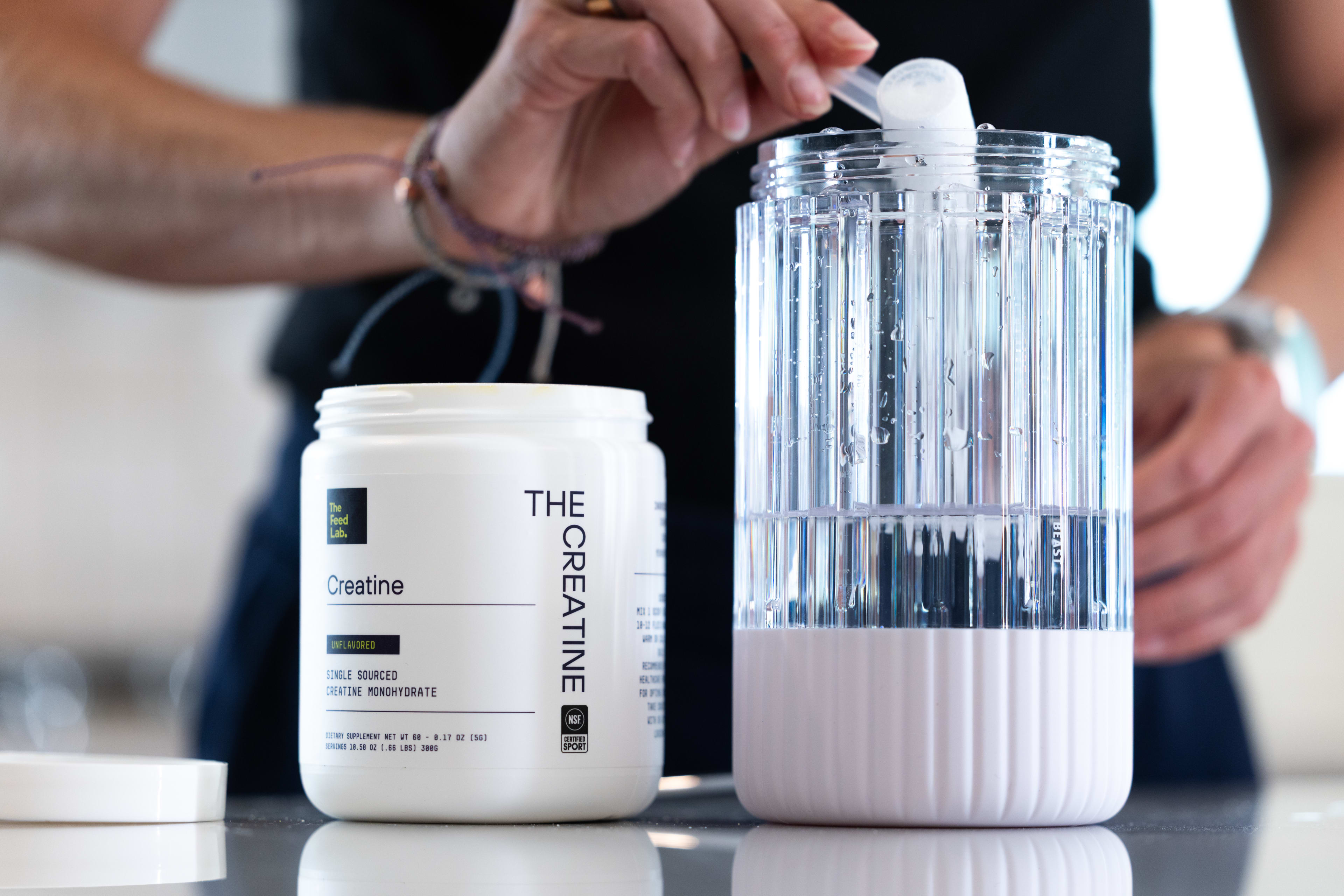
The Feed Lab Creatine is built around a 5 g serving of Creapure creatine monohydrate, which maps directly to common maintenance guidance. Create Creatine Monohydrate Gummies list 1.5 g Creapure per gummy, with on-page guidance to scale gummy count toward a standard 5 g maintenance target.
Cost-effectiveness: Which saves more money per gram?
Powder almost always wins on cost per gram because you're not paying for a gummy matrix, flavor systems, and premium packaging. Gummies can still be worth the price if they improve compliance — creatine benefits are driven by chronic intake, not a single perfect scoop. The honest ROI calculation: price per gram of creatine divided by your real compliance rate.
Run the same math in your cart using your actual label, not a generic benchmark.
Creatine gummies vs powder: quick decision guide
If you want maximum evidence-per-dollar and easy stacking with other supplements, go with The Feed Lab Creatine or Momentous Creatine. If you want maximum compliance and zero shaker cleanup, go with something like Create Creatine Monohydrate Gummies (or for the ladies, check out Arrae Tone) and commit to the gummy count that hits your dose target.
Dosing cheat sheet (Create vs The Feed Lab): Create lists 1.5 g creatine per gummy. Three gummies deliver 4.5 g — close to a standard 5 g maintenance target. Four gummies deliver 6 g, which may be more than needed unless your plan calls for it. Always follow the label and defer to your clinician or coach if you have one.
Frequently asked questions
Q: Creatine gummies vs powder — which is better for muscle building?
Muscle creatine saturation depends mainly on daily creatine monohydrate intake and consistency. It's also usually achieved at higher amounts of creatine as well, depending on your training and other factors. Powder is usually the simplest way to hit higher amounts. Gummies work if the label dose matches your target and you take enough pieces every day.
Q: Do creatine gummies work as well as powder?
They can — if they deliver the same effective daily dose of creatine monohydrate. Under-dosed or inaccurate gummies will underperform powder by default, because powder makes it easier to reliably hit the number.
Q: How many creatine gummies equal one scoop of powder?
It depends on the product. On The Feed, Create lists 1.5 g creatine per gummy and The Feed Lab lists 5 g per scoop — so three gummies (4.5 g) is the closest equivalent to one 5 g scoop.
Q: Are creatine gummies vegan and gluten-free?
Some are, some aren't. Create Creatine Monohydrate Gummies on The Feed are vegan and gluten-free with a pectin-based gummy matrix. Verify each brand's supplement facts before buying.