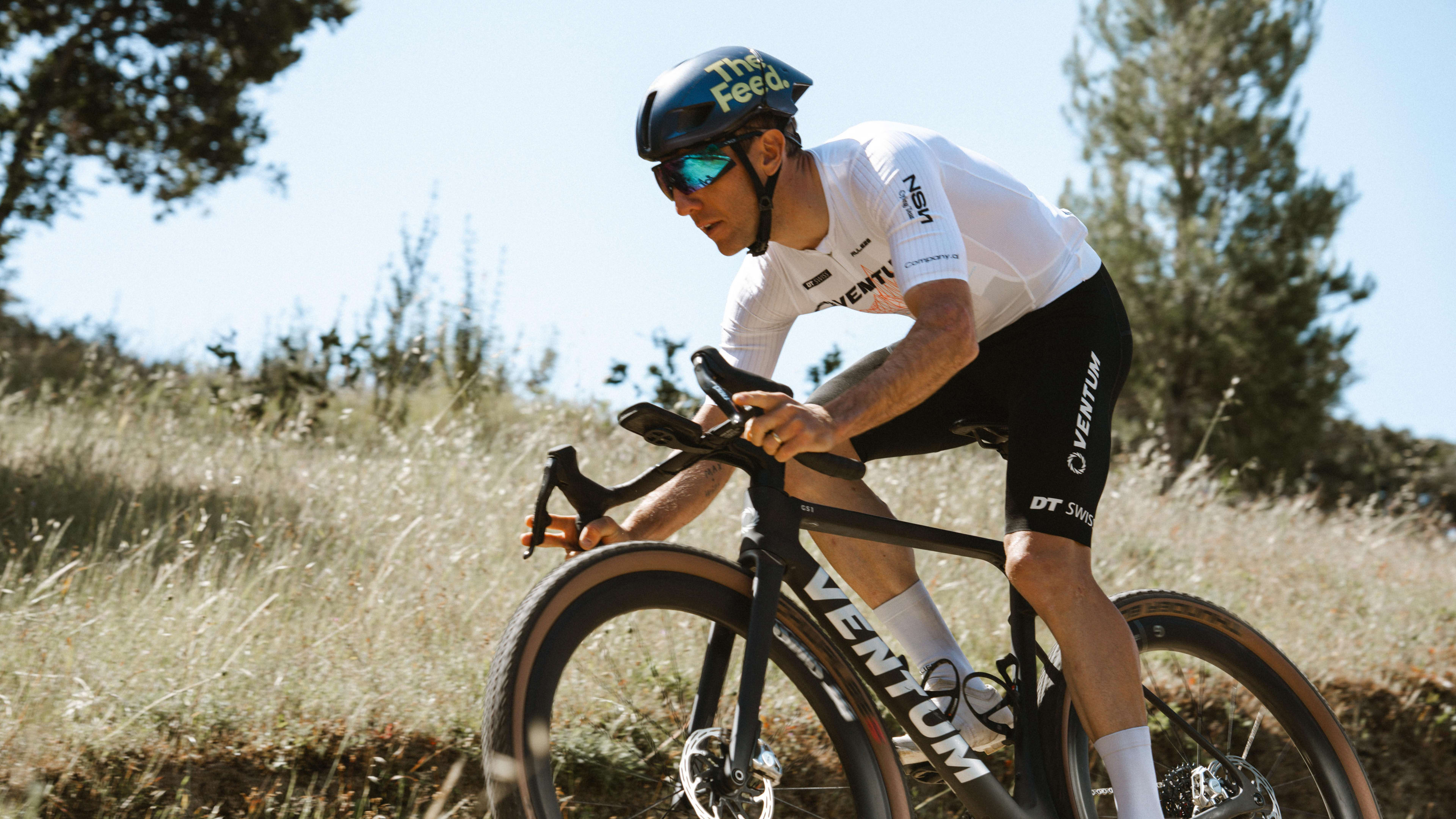
As a pro triathlete and triathlon coach, one thing Jenny Fletcher relays to every athlete: the swim, the bike, and the run will challenge you — but nutrition will make or break you. Here, she breaks down exactly how to fuel so you can make the most of race day.
Swim Bike Run… BUT WAIT… there's more!
How to Nail Your Nutrition Strategy
You've signed up for that TRIathlon and you are so excited to combine the three individual sports into one epic day. A bit overwhelming at first, but how hard can it be right?!
You are given this list on allll the things you need in order to do a triathlon and you eagerly check things off the list one by one. Finally you have the basics and then you start adding in some endurance training.
Scenarios of the beginning…
You sign up for a membership at the local pool only to find the Masters Swim happens to be 5:15 AM. So you roll out of bed, figure you'll eat later because your brain isn't even working yet.
It's super hard to grab that water bottle while on the move on the bike so you just opt out. You finish the ride and are so thirsty and feeling quite exhausted.
Not sure what to take on run so just head out the door and it's blazing hot, you end up sitting at the gas station with your head in the freezer drink section trying to cool off.
Aaaaaand this is where we realize this isn't just a 3-sport event, that the 4th and most important aspect, "nutrition" before, during, and after… is actually more important than we think.
I've been doing this sport and sports in general since the beginning of time. The thing I've learnt no matter the sport is that we FUEL our BRAINS, which in turn FUELS the BODY. My Dad used to say when I was a little girl- Jen… your brain is like a computer, what you put in is what comes out. Simple information, but oh how it applies to life in general and being a thriving athlete.
When you have been in sport your whole life, it also allows you to try so many different avenues re nutrition and mostly how far it has come. Anyone remember the original Powerbar? How hard it was to chew? My jaw would hurt after. lol.
The Three Fueling Phases
So, to make things simple with all that's out there. We want to do 3 things and do it well:
Fuel before to prep the body
Fuel during to endure the task at hand
Fuel after for recovery and to set you up to be able to rise up again for the next workout or event
When I coach my athletes I often remind them I absolutely want you to eat healthy before and after but during your training or race it really is about fueling the body to optimally perform. If you don't, it leads to fatigue, dehydration, muscle soreness that isn't recovering as fast, and often injury. Not to mention in order to preform the body and brain need the input Aka… nutrition to bring you home safely and able to rise up again and again.
It takes time to figure it all out so be patient. In fact the nutrition aspect might be the more challenging part you face in embarking upon a triathlon.
There is a plethora of choices out there. Being a Feed athlete allows me to do my research on all the information that is on the site and also guides me to what I need.
Some people like to drink their carbs, some people like to eat them, or a combination of both. Regardless, the goal is to start experimenting as soon as you start the sport.
Ask Around.
I often give a list of some of my favorite products but every body is different so ultimately you have to find what works for you.
Are you a heavy sweater? Make sure you find products with a great electrolyte balance.
Get overwhelmed with too many options? Find a product that is basically a one size fits all — meaning you can get your carbs and electrolytes in one product.
Keep it simple. It's about repetitiveness.
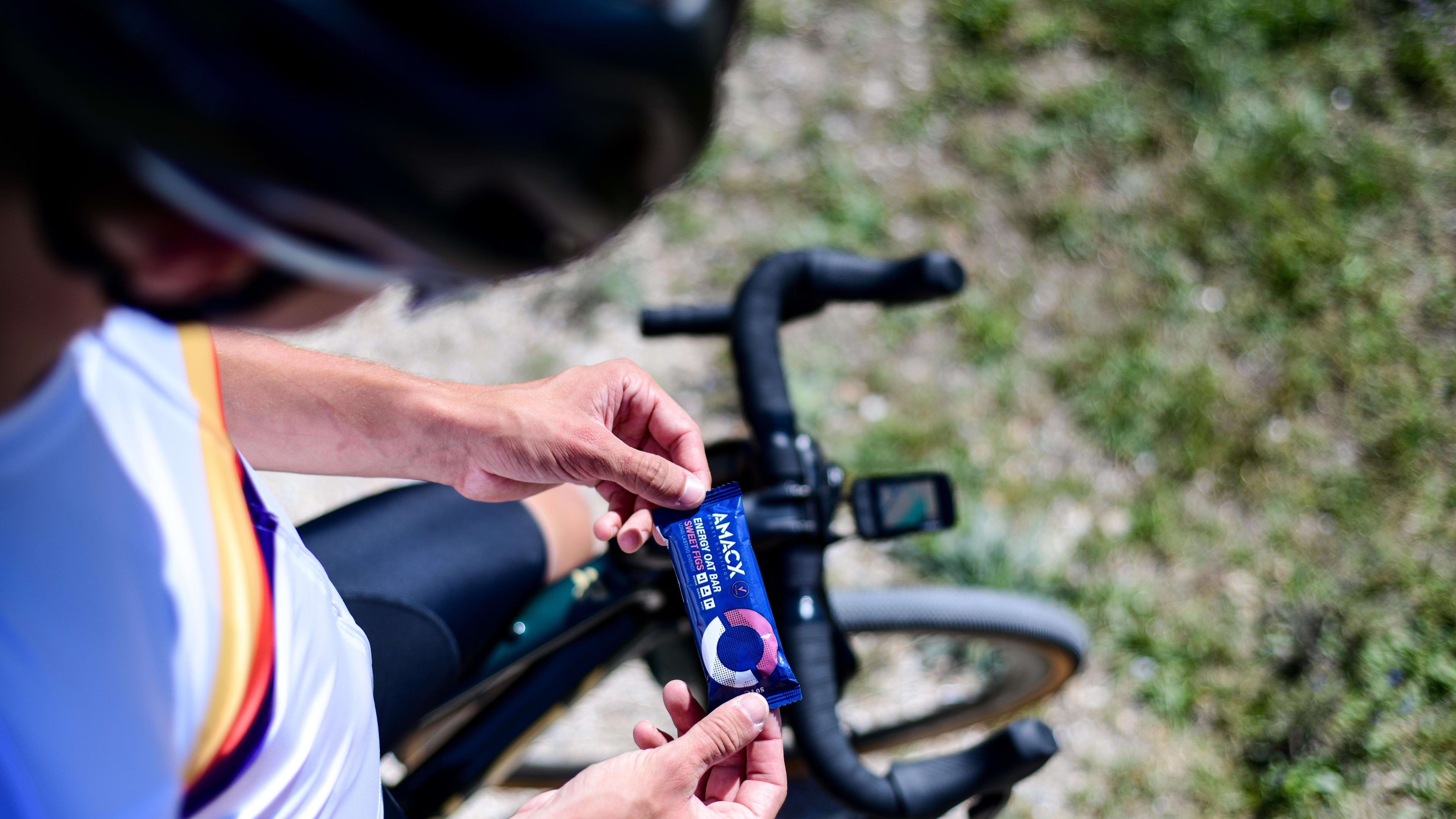
Just like you do one swim stroke at a time, one pedal stroke at a time, one running stride at a time… this also applies to nutrition. Sometimes, when starting, it's smart to set an alarm to remind you. For example: on the bike, every 10 mins I take 2 sips of my hydration bottle. Or every 30 minutes I take in a gel.
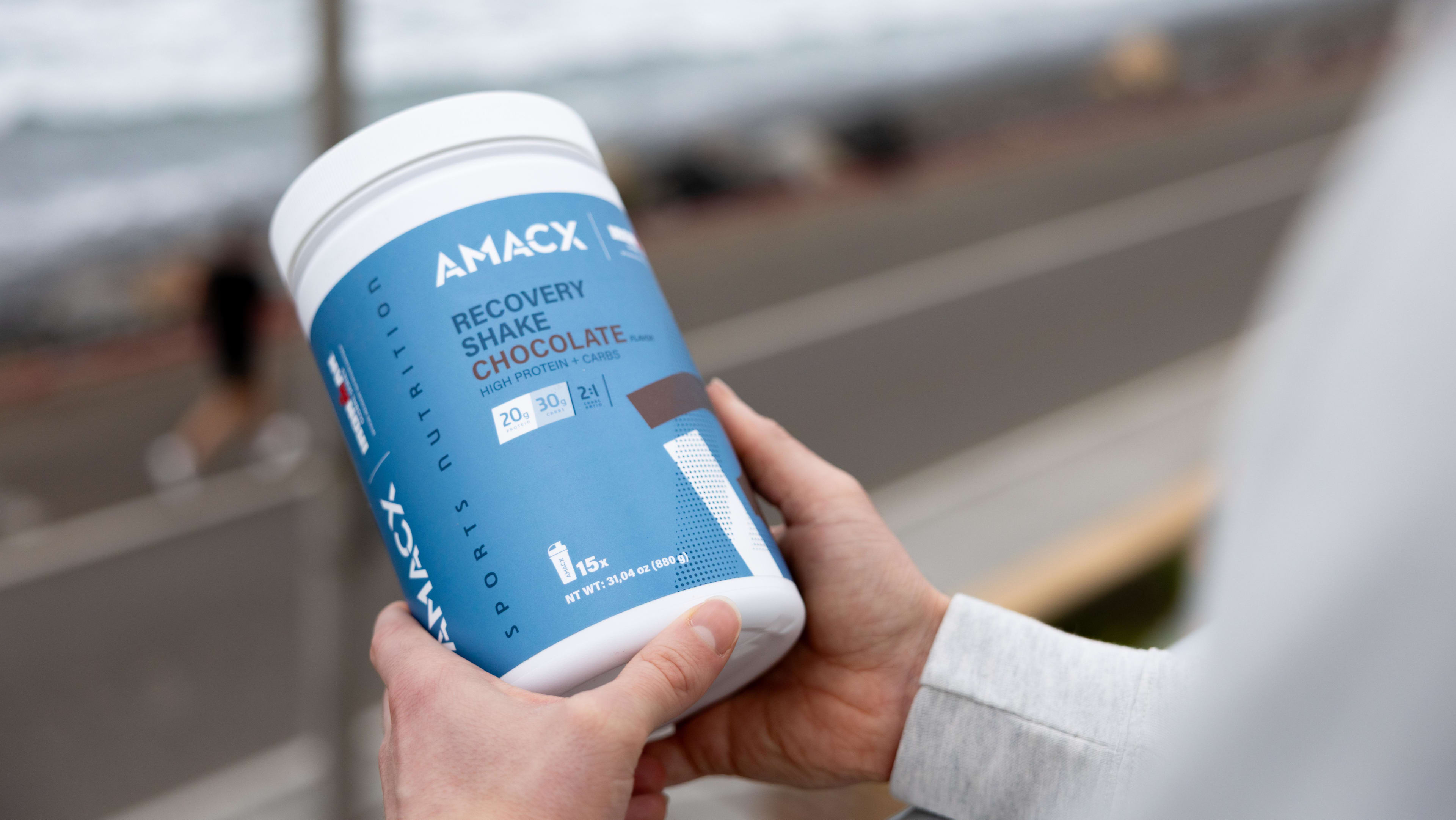
Always take more than you need. The idea is to be prepared. What if it's extremely windy and you end up taking longer on the bike than planned? Or you finish your ride, and you are starving? How easy it is to throw in that shaker bottle with a recovery shake in the car so when you finish within 30 minutes you are getting in what the body needs.
It truly is trial and error. We want to leave no stone unturned — you want to make sure you are testing out the nutrition not only in easy sessions, but also hard sessions, as your body will respond differently to each workout. Also, the amount of carbs or calories you're getting are different in relativity to the type of workout, and that is what a coach is good for to help guide you. But there's also a lot of great online information, and on The Feed website you can go and it will tell you exactly how much you need for what type of workout — meaning the duration you would need two scoops of this, or if it's a hard workout, it says three scoops of this, etc. It also depends on the type of weather — if it's super hot, you need to practice your nutrition and hydrating and see how the body responds.
The most important key is to be taking in something fairly consistently instead of guzzling all at once, which can upset the G.I. Have you ever stopped at a gas station on a bike ride, guzzled a ton, and then headed out to ride again and just felt awful? The key is to be consistent — drink regularly and take your gels or nutrition or whatever you've chosen, and not do it all at once. Space it out so that you can get off that bike and have the best run possible.
Don't panic — you have time to figure this all out. Just don't neglect the nutrition aspect as it can make or break your performance.
Your 70.3 is a 4–7 hour eating competition. Practice your race-day fuel (gels, sports drinks, bars) during long training sessions. If you don't train your gut, you will likely hit a wall (or worse, have GI distress) on the run.
Key Takeaway: Build base fitness for 6 months, train consistently, and PRACTICE your nutrition. You've got this…