From the World Tour to diversifying into a multi-sport athlete, Mike Woods shares what the transition has been like, the changes he's made, and how he fuels for it all.
1. The Big Picture — Life After the WorldTour
You spent 15 years fueling for one discipline at the highest level. Now you're doing skimo, gravel, and triathlon in the same calendar year. What's that shift been like?
The shift has been amazing. I'm loving trying new things, training in different ways, and exploring these new sports.
From a numbers perspective, my fueling hasn't changed too much. Since I'm still doing endurance disciplines, I'm still trying to hit the same carb-per-hour goals and the same recovery and meal planning. What has changed is the method of implementation. I've switched a lot more from solid foods to gels and drink mix. In pro racing, the lack of up-and-down motion on the bike — and more opportunities to freewheel — gives you a chance to actually eat solid food.
How has your overall approach to nutrition changed since retiring from the WorldTour?
My overall approach has changed significantly. In my last years in the WorldTour, I weighed everything I ate and was hyper-focused on maximizing performance and recovery. That sometimes came at odds with my general health, particularly long-term gut health.
Now I'm much more holistic. Especially as I age, I'm more focused on supplementation — things like collagen and probiotics — and eating a diet with more fiber. I used to do things like go "low-res" pre-race, eating plain rice and chicken. Now I'm spicing things up a bit, having the occasional glass of wine, and I'm less worried about a few extra calories from the odd dessert.
2. Skimo — Fueling the Mountain
Skimo is a unique beast — cold, short intense efforts, technical demands. What does fueling look like compared to road?
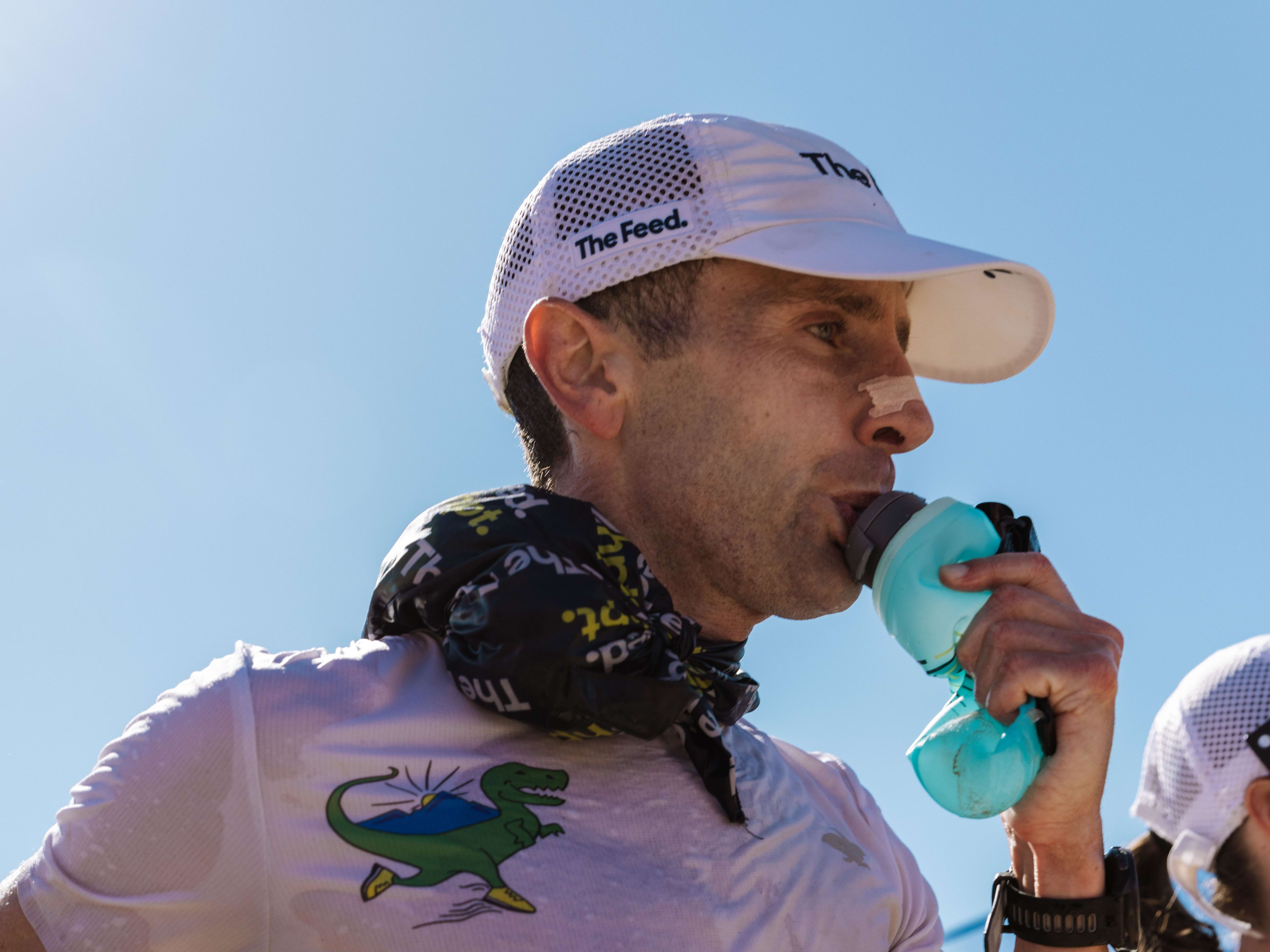
I haven't changed too much specifically for skimo, but I'm definitely getting more of my energy from liquids. It's so easy to get dehydrated at altitude. Having most of my carbs in a bladder also makes them far easier to access during a race — when you're using your arms to pole plant, grabbing a gel is nearly impossible.
Fortunately, I haven't had to adapt too much for the cold. The Pyrenees and Alps are far warmer than the brutal conditions I dealt with as a kid in Canada.
What specific Amacx products are you reaching for on the mountain?
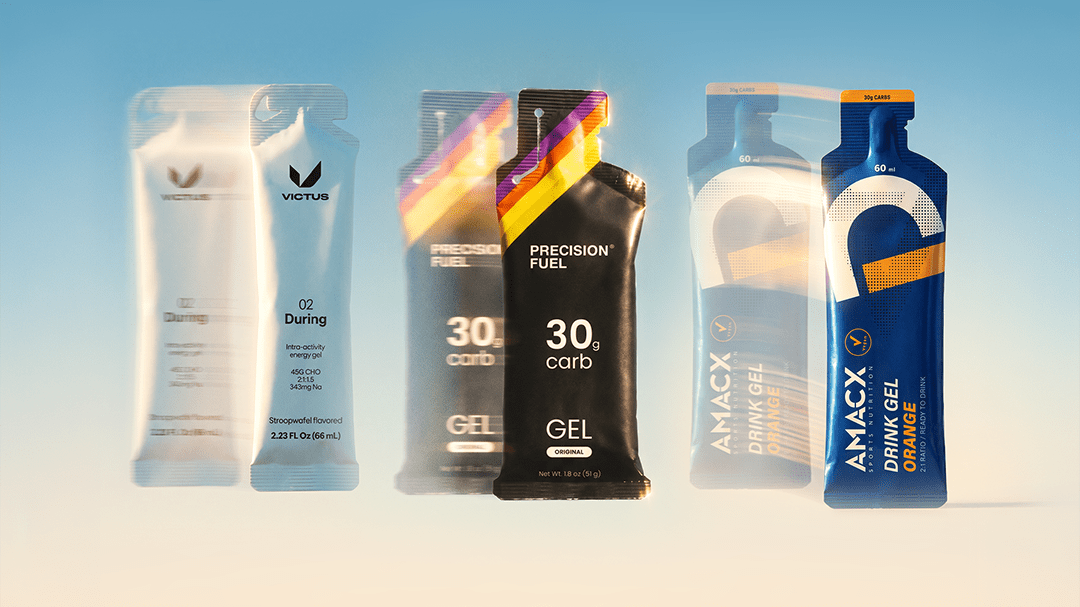
In training, I'm often using Amacx bars, chews, and their Turbo Gels. In races, I'm almost exclusively on their drink mix. Because skimo races start so hard, I'm also using Maurten Sodium Bicarbonate — about 30 minutes to an hour before the start. I find it very useful for getting into position before the first technical sections.
You've talked about wanting to do the Pierra Menta. How are you thinking about fueling for a four-day stage race in that environment?
Pierra Menta was wild. My biggest objective in preparing for it was simply trying to get in as many carbs as my stomach could handle. Staying well fueled not only keeps you strong on the uphills — it gives you a lot more mental clarity, which is hugely important for the dangerous, technical descents and complicated transitions. When you hunger flat on skis, you go downhill terribly.
3. Gravel — The Long Day Out
Events like Unbound 200 are massive fueling challenges — 10-plus hours, variable conditions, limited support. How are you building your nutrition plan?
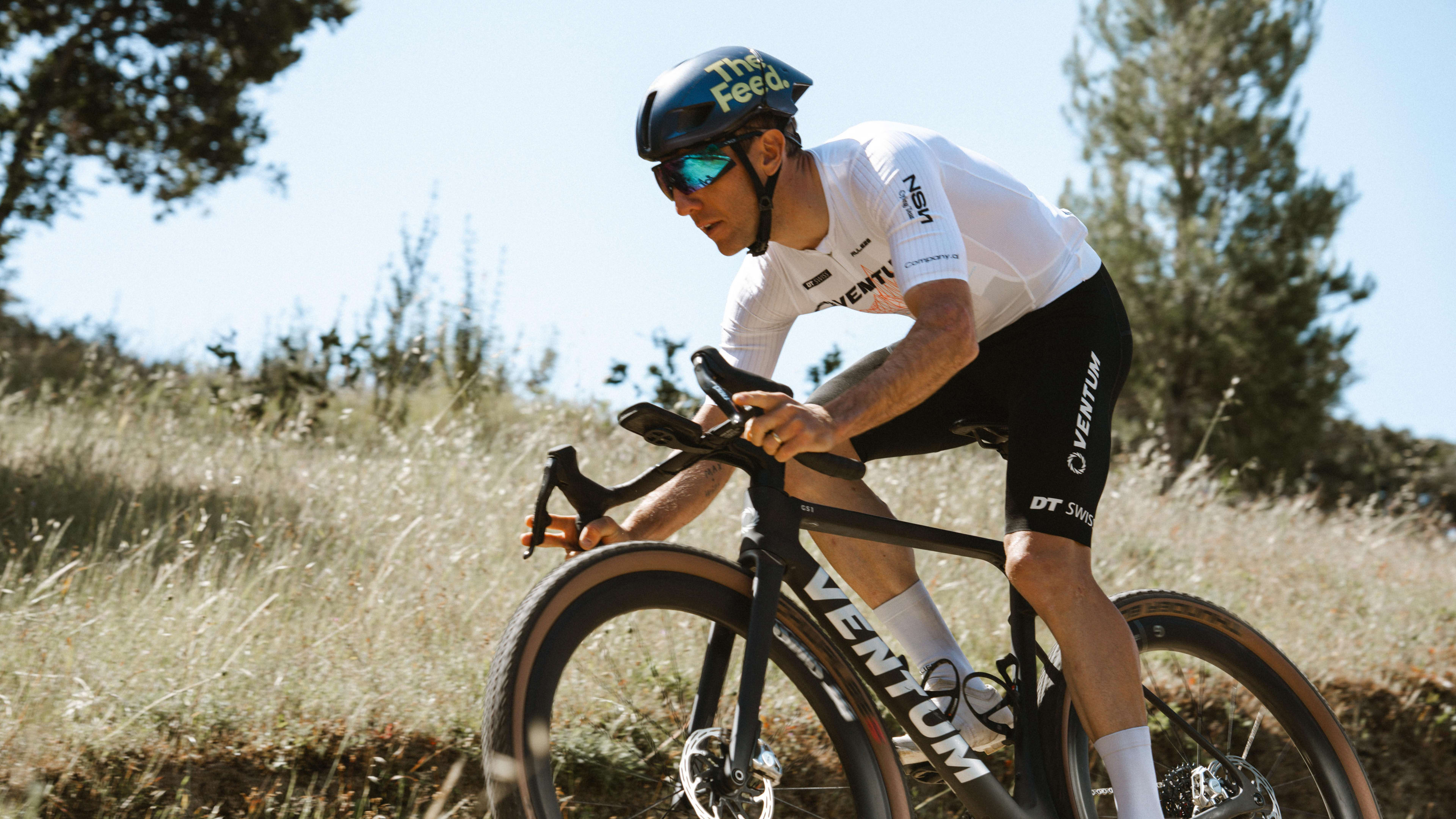
Basically trying to jam as many carbs as I can in on a ride.
Are you actively training your gut to hit higher carb numbers?
Definitely — it's something I've been working on for several years. But with the increased overall load in gravel races, if I make a fueling mistake, it gets amplified. I've had a lot of hunger flats this season because of fueling errors, and I've been working hard on that in my lead-up to Unbound.
Any Amacx products that have become non-negotiables for gravel?
Turbo Gels and the regular drink mix. They've been easy on my gut and go down easy.
How does your approach to hydration and electrolytes change for a 10-hour effort?
I have a lot more stress around feeding. In the WorldTour, you always have a car following you or a teammate who can hand you a bottle. Out here, there's far more pressure on my feed zones — and a much greater emphasis on making sure that when I do have a bottle, it has sufficient carbs and electrolytes. There's no more throwing a half-full bottle to a fan on the side of the road.
4. Triathlon — Learning to Fuel Three Sports in One Day
Unfortunately I've been battling a lot of injuries this year and don't have too many answers here yet. More to come.
5. Amacx — The Products I Actually Use
How did you start working with Amacx?
I was introduced to them through my nutritionist, Vanessa Zoras.
Walk us through your typical race-day kit.
It's been pretty simple. Maurten Sodium Bicarbonate 30 minutes to an hour before the start, then Amacx drink mix with their regular and Turbo Gels throughout the day. The goal is 100–120g of carbs per hour.
When do you reach for the Turbo Gel over the standard Energy Gel?
I've been reaching for it quite regularly. Most of the races I've done this year have been full-on from gun to tape. Getting a quick, high dose of carbs in whenever there's an opportunity has been essential.
Is GI distress something you've had to manage more across these new disciplines?
Yes — it's been a big issue for me. I've had a lot of GI problems and have struggled to get other high-carb products down while racing. Amacx has been great for that.
6. The Fueling Nerd Corner
What's the biggest thing you've learned about your own fueling since leaving the WorldTour?
Planning. In the WorldTour, everything is planned for you. Your food is pre-weighed, your feed zones are organized by your directors, your bottles are prepped by your soigneurs, and your nutrition is laid out on the bus by an entire logistics staff. Now all of that falls on me — and I completely underrated how demanding that job is.
Is there a moment from this year where nutrition made a decisive difference?
There have been a lot of moments where I got it wrong. My worst was this past week at the Traka. I hit a pothole, lost both bottles and all my gels with 85km to go, and had to try to survive on fumes. With 40km left, I had one of the worst hunger flats of my career.
What advice would you give an age-group athlete who wants to fuel smarter across multiple disciplines?
Plan, plan, plan. It's easy to say "I'm going to eat this many carbs per hour" — but actually doing it, and doing it well, is another thing entirely. Build a fueling strategy, test the products to make sure they work for you, and start well in advance. If you're buying gels the day before the race, it probably isn't going to go well.
The biggest surprise of this whole chapter? How much I underestimated the logistics behind what an entire WorldTour support staff quietly handled for me every single day.