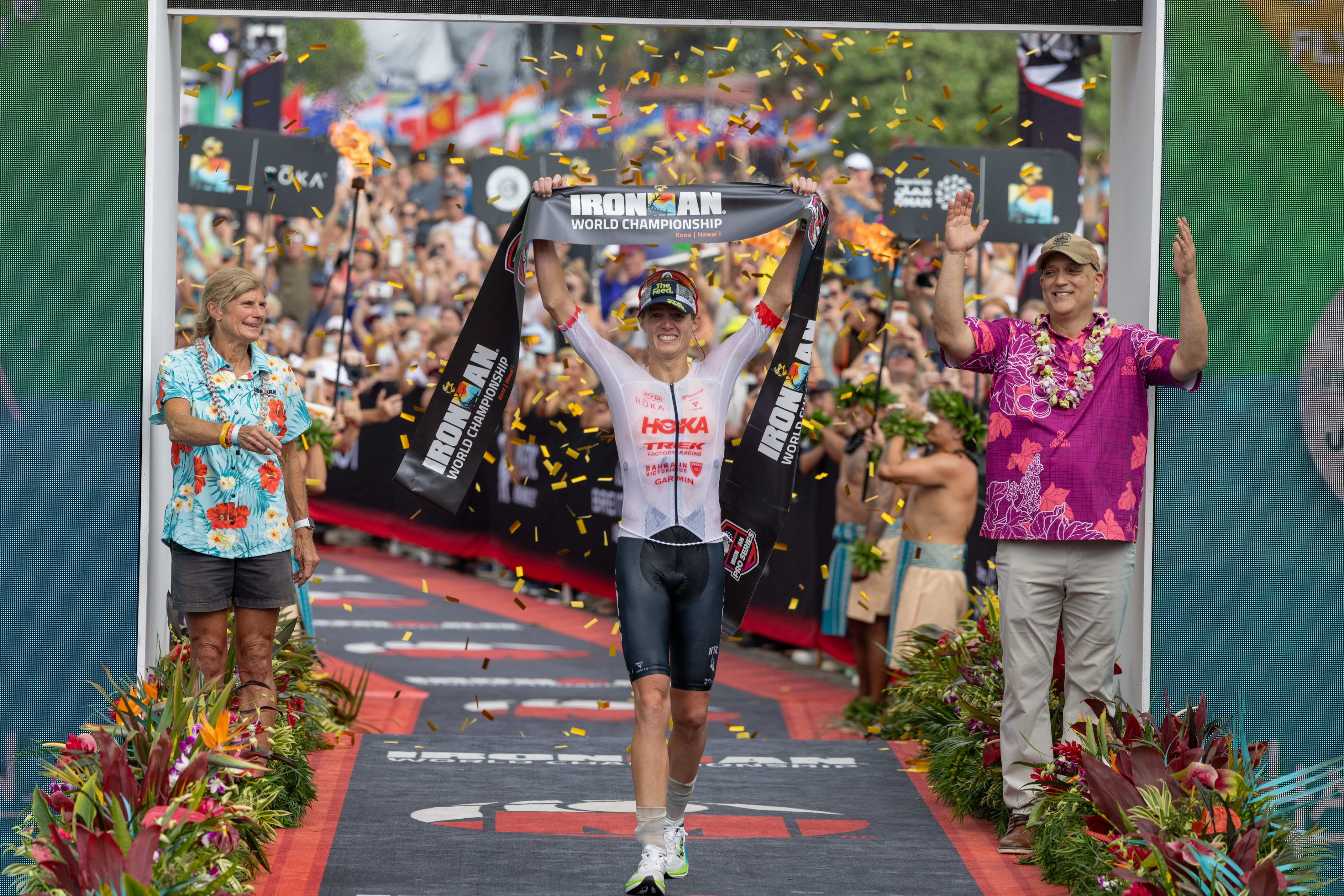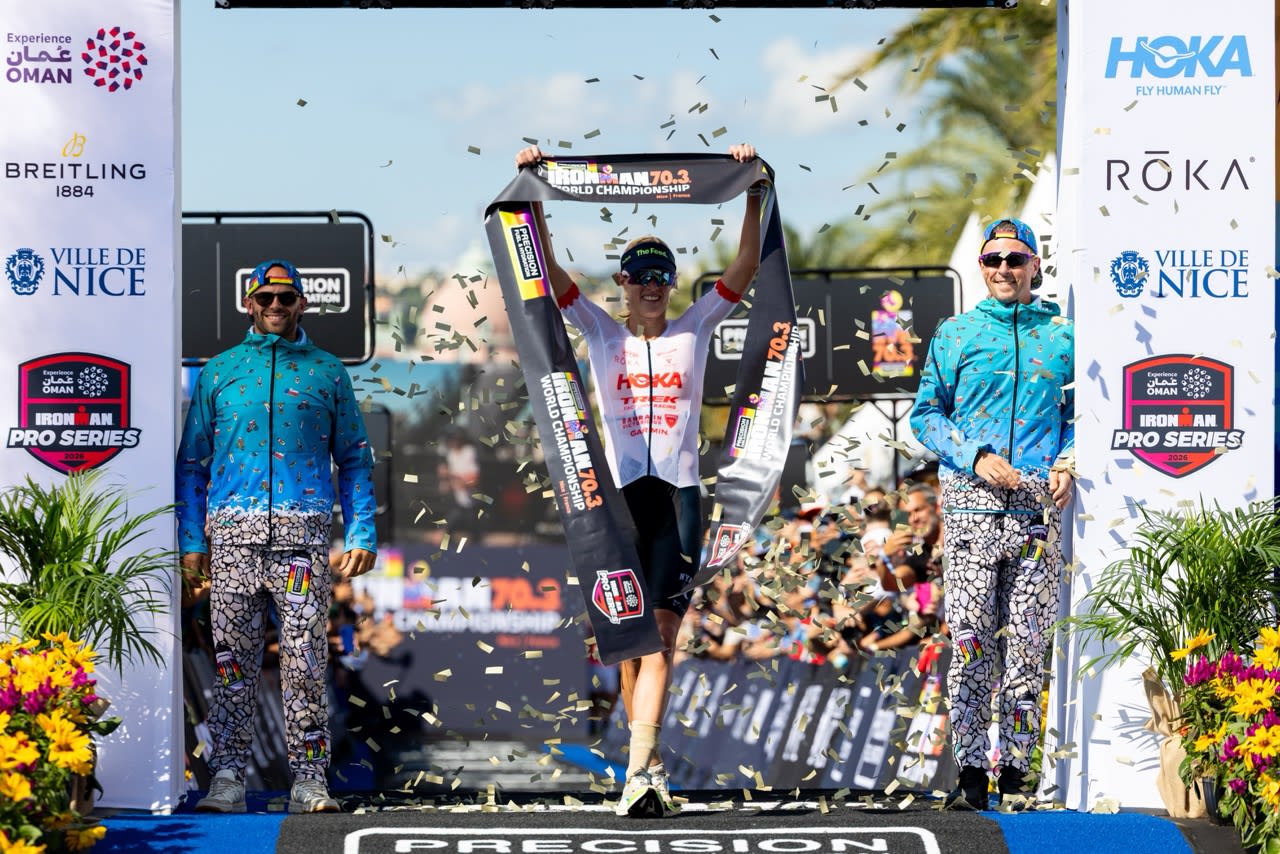
Magnus Ditlev just set the fastest IRONMAN on record. This was more than just a return to form; it was a statement. Here's the story behind his World Record and the incredible fueling plan that pushed him through.
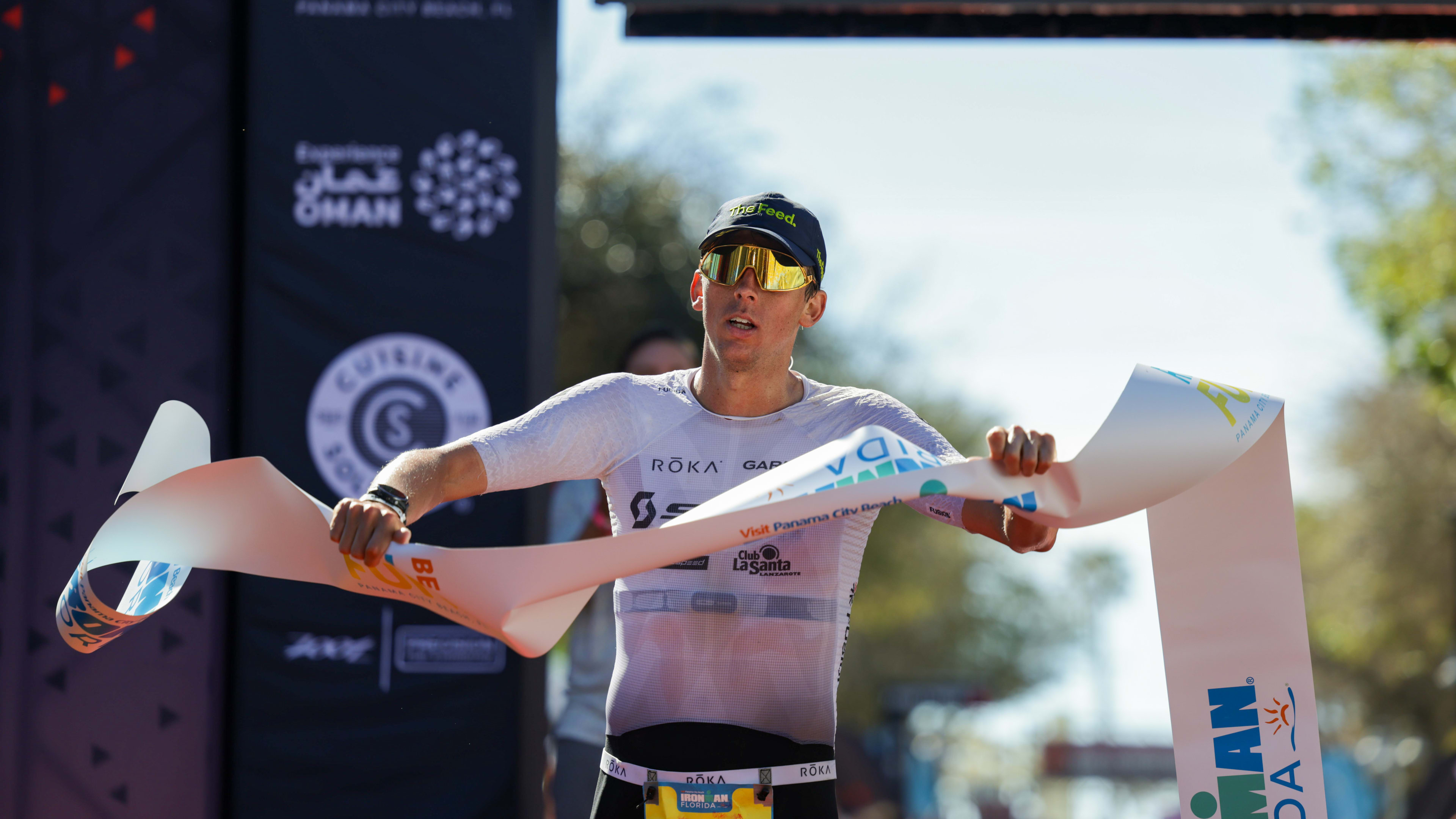
Magnus Ditlev set a new IRONMAN world record in Florida, in 7:19:17.
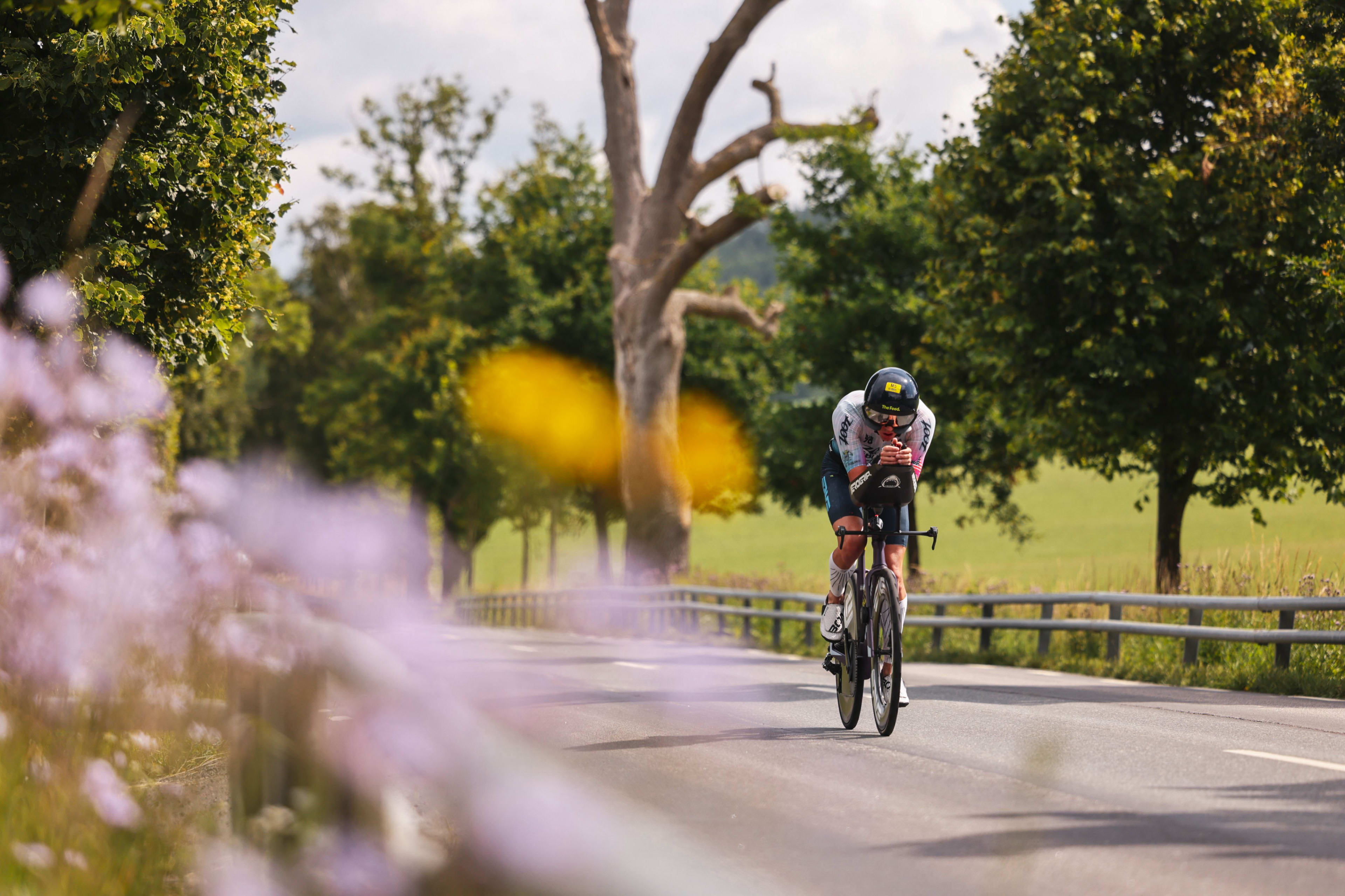
The swim took 47:52 without a wetsuit (1:14 per 100 m), the bike took 3:51:16 at 29.1 mph, the fastest bike split on record at an IRONMAN race, and the run took 2:33:31 at 5:52 per mile. He had set the record twice before, but he still can't stop thinking about his heartbreaking performance in Kona, which came just four weeks earlier.
His journey for this breakthrough began back in the spring, when shingles hit him just before IRONMAN Texas, and the fatigue that followed cut into his training and racing for months, even after he stopped feeling sick. A disappointing Kona wasn't what Magnus needed, but after a stretch of good weeks at altitude, he rebuilt his momentum. The result in Florida mattered to him mostly as proof that "this is what he's truly capable of". That his body is healthy again and that he can push his limits.
We'd agree, to say the least.
The fueling plan
His race-day plan has stayed close to the same for the past couple of years. Breakfast is white bread with jam or Nutella and coffee, followed by one Maurten Gel 160 (40 g of carbs) about 30 minutes before the start. Simple.
Once on the bike, he drank about 200 g of carbohydrate an hour, all of it liquid, from Maurten Drink Mix 320. In hot races, he adds Precision Hydration 1500 electrolyte tabs to his bottles and drinks up to 3 liters an hour.
Yes, we said 200 g of carbs... per hour. And yes, we also said up to 3 L of fluid on hot days.
Florida was cooler on the day, and since he was sweating far less than he does in Kona, he used the Drink Mix 320 on its own and left the tabs out. He still drank close to 2 liters an hour in the mild heat.
The lower sweat rate matters because the carbohydrate has less fluid to dissolve into. A 750 ml bottle holding 200 g makes a highly concentrated mix, and many athletes who try it get nauseous or start to burp. He kept drinking at a steady pace, and he reports no stomach discomfort at any point on the day.
On the run, he took in 150 to 160 g of carbs an hour from Maurten Gel 100 and Gel 160, Drink Mix 320, and water at the aid stations.
You read that right.
How he trains to absorb it
These fueling numbers are quite profound, even for the pro field. Magnus is clear that you can’t just show up on race day and expect to take in that many carbs. Nor can you show up and take in more than you have trained for. It’s all about training your gut and practicing your race-day fueling during big simulation sessions.
Intake in training follows the session. An easy two-hour ride can be as low as 70 g an hour. The long weekend simulations, where he rides and runs at Ironman pace, copy his race plan in both pacing and fueling. Threshold and VO2 max sessions also get high carbohydrate intakes.
The plan is a set of target numbers that he adjusts during the race. When his stomach starts to feel uncomfortable, he backs off the carbohydrate and drinks more plain water. The high target also leaves him room for error, because a missed bottle still leaves him well fueled. In Florida, he followed the plan from start to finish without any hiccups or changes.
For athletes working toward higher carbohydrate intakes, this is the part to take home. He does not raise his numbers on race day. They go up in the simulation sessions first, and the race repeats what his gut has already handled.
How much faster it can go?
Magnus still thinks there's plenty of room for the record to come down to seven hours. The swim in Florida had no wetsuit, which he estimates cost about three minutes. His transitions took more time than the one and a half minutes or so athletes spend at races with short ones, and he puts that gap at about five minutes. Together he counts close to ten minutes available before anything changes on the bike or run.
The wind also made the day slower than it could have been. Other pros he spoke with after the race told him that Rudy Von Berg rode faster in 2023 than he did in Florida, which points to better conditions that year. With a deep field, no wind, and a perfect day, he believes the numbers he put out in Florida would get him very close to seven hours.
Congrats Magnus.