All Top 10 Carbs →
Variety Pack / 6 Pack
Mango Yuzu (Limited Edition) / 12 Single Serving Box
Basic / Box of 6
Citrus Orange / Box of 24
Unflavored / 30 Servings
30 Gels
Cherries and Pistachios / Box of 12
Variety 6-Pack / Variety Pack
Box of 6
Box of 3
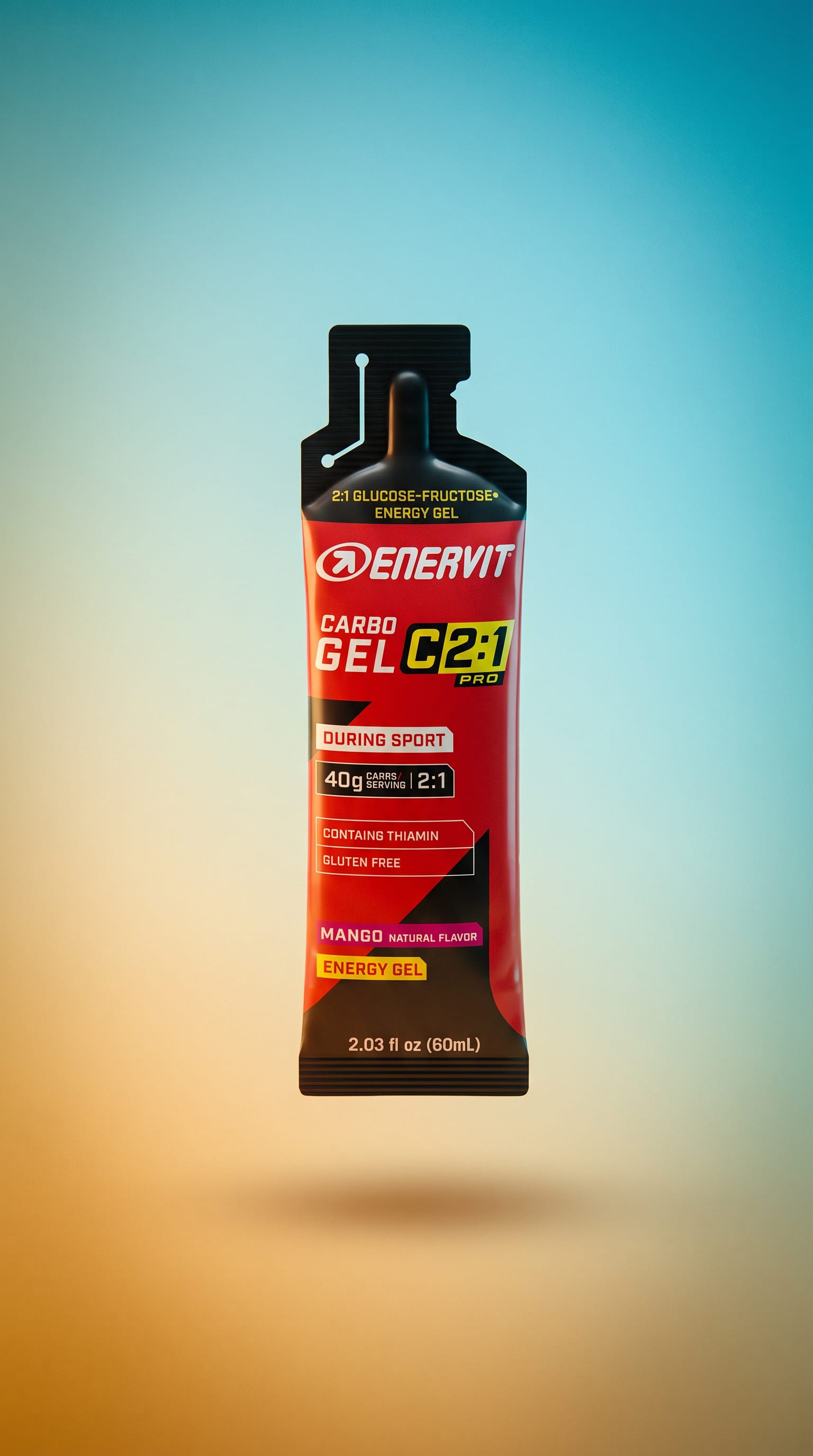
Build your own energy gel bundle from 50+ top brands like Maurten, SiS, GU & Precision Fuel. Mix flavors, save in bulk, and get free shipping.
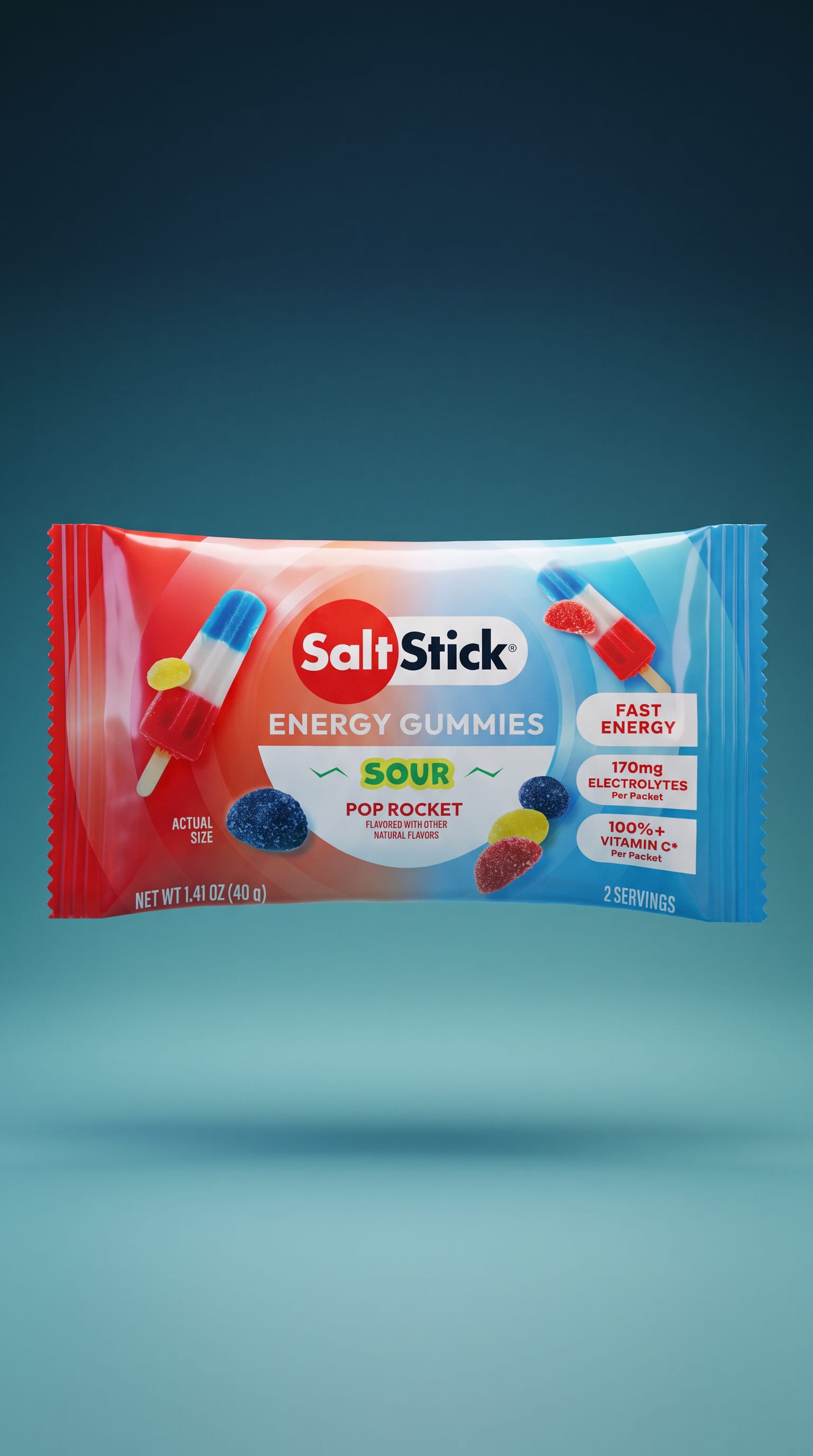
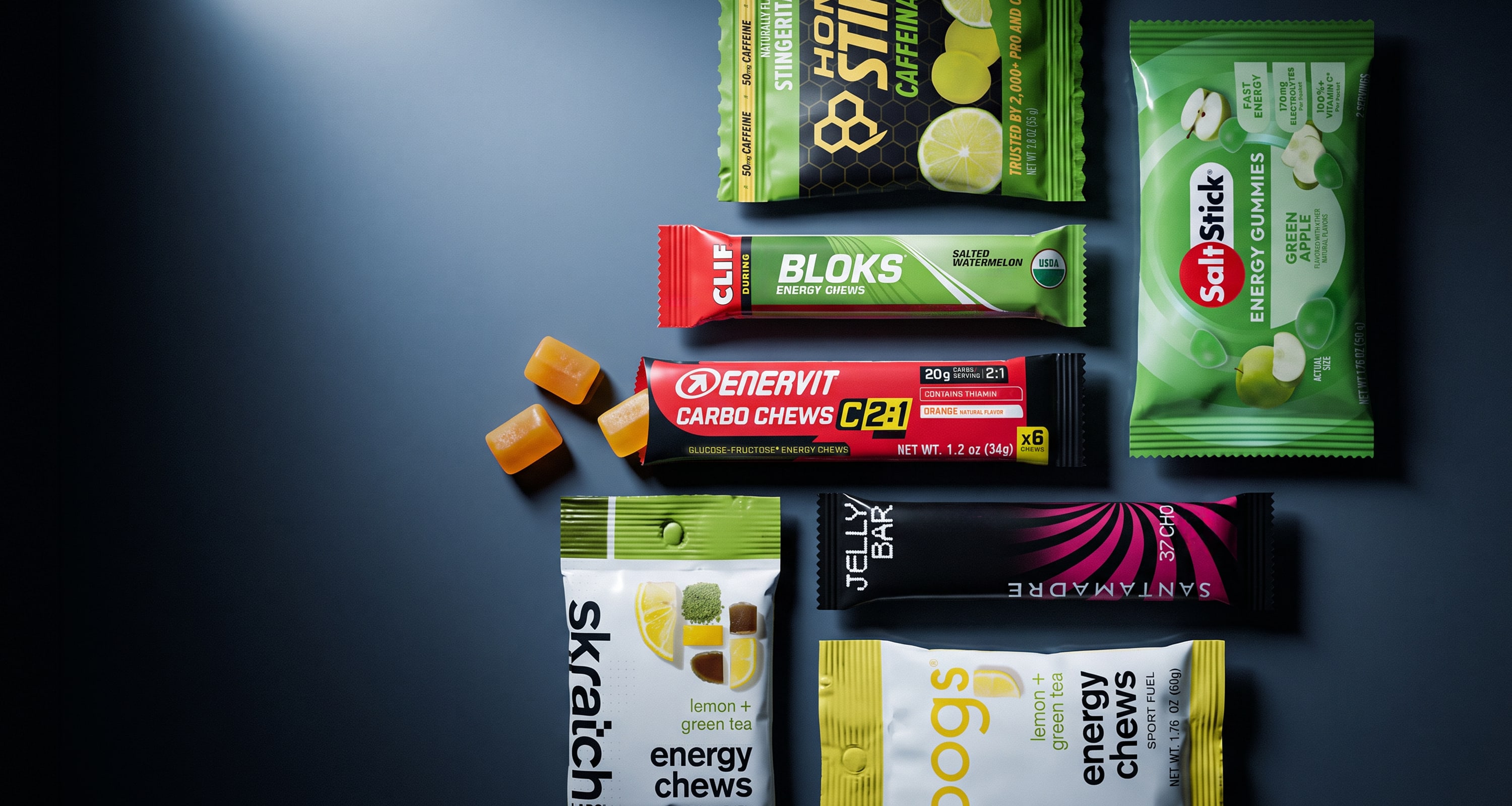
Build your own energy chews bundle from top brands like Clif Bloks, Skratch Labs, GU & Honey Stinger. Mix flavors, sour or caffeinated, and save.
Looking for the best energy gels for running? In this article, we compare the top options by taste, ingredients, and performance so you can find the right gel for your next race.
If you're still capping your carb intake at 60g per hour, you're leaving performance on the table — here's the science behind why dual-transporter formulas changed everything.
Current sports nutrition guidelines from the American College of Sports Medicine recommend 30 to 60 grams per hour for efforts lasting one to two and a half hours. For events longer than two and a half hours, athletes using both glucose and fructose sources can absorb up to 90 to 120 grams per hour. The upper range depends on gut training, which most athletes can develop in about two weeks of consistent practice during training sessions at race intensity.
Glucose and fructose enter the bloodstream through separate intestinal transporters. Glucose uses the SGLT1 transporter, which saturates at roughly 60 grams per hour. Fructose uses GLUT5, adding a second absorption pathway. Consuming both sugars together allows more total carbohydrate to reach working muscles per hour than either sugar alone. Most commercial sports nutrition products blend these in a ratio of 2:1 or 1:0.8 glucose to fructose for this reason.
The format matters less than the total carbohydrate dose and your ability to tolerate it at race intensity. Gels deliver carbohydrates quickly in a small volume and work well during high-intensity efforts when chewing is impractical. Chews offer a different texture and allow more control over pacing your intake. Drink mixes provide hydration and fuel together. Bars digest more slowly because of their fiber and fat content, making them better suited for lower-intensity or longer steady efforts where you can chew comfortably.
Gut training is the practice of consuming carbohydrates during exercise at progressively higher amounts to improve intestinal absorption and reduce gastrointestinal symptoms. Research published in the British Journal of Sports Medicine shows that athletes who practice fueling at race intensity for as few as two weeks report fewer symptoms on race day. Start at 30 to 40 grams per hour and increase by about 10 grams per week until you reach your race-day target.
Gastrointestinal distress during exercise affects between 30 and 70% of endurance athletes, according to published survey data. The primary cause is reduced blood flow to the gut during intense effort, which slows absorption and increases the chance of cramping, nausea, and bloating. High-fiber, high-fat, and high-protein foods worsen this because they require more digestive work. Sugar alcohols like sorbitol and maltitol are common triggers as well. Testing all race nutrition during training at race pace is the most reliable prevention strategy.
For sessions under 60 minutes at moderate intensity, stored muscle glycogen and liver glycogen are usually sufficient. A balanced meal two to three hours beforehand covers these needs. Exceptions include fasted morning training, back-to-back sessions where glycogen has not fully replenished, and very high-intensity interval work where carbohydrate mouth rinsing alone has shown small performance gains in published studies without requiring full ingestion.
Accessibility and familiarity determine what works best. Gels fit in jersey pockets, running belts, and top-tube bags. Pre-open wrappers or tear corners before the start so you can access fuel with one hand. Drink mixes stay in bottles on your frame or in a hydration vest. Chews can go in a small zip-lock bag in an accessible pocket. Whatever system you choose, rehearse it repeatedly in training so the mechanics become automatic under race fatigue.
Cola (with Caffeine) / Box of 12
Variety Pack / Variety 6 Pack
Raspberry / Single Serving
Strawberry Kiwi (with Electrolytes) / Single Serving
Variety Pack / Variety Pack
6 Pack
Variety 5-Pack / Variety Pack
Box of 12
8 Pack
Citrus Splash / Single Packet
15 Gels
Original / Box of 18
Box of 6 / Raspberry & Lemon + Electrolyte
4 Gels
10 Gels
Box of 30 / Strawberry & Lime
Watermelon / 15 Packets
Box of 48
Box of 30 / Raspberry & Lemon + Electrolyte
Enervit's Secret Gel (Mango) / Box of 24
Dauwaltermelon with Lime / 50 Servings
Box of 6 / Strawberry & Lime
Gel Combo 12 Pack
Pure Vermont Maple Syrup / Box of 20
Drink 320 Box (14 Servings) / Drink Mix 320
Box of 18 / Variety Pack
Box of 30 / Orange
Box of 30 / Neutral
Box of 30 / Variety Pack
Watermelon / 30 Packet (2 bags of 15)
Gel Combo 6 Pack
Lemonade / 16 Servings
Variety 15 Pack / Variety Pack
Enervit's Secret Gel (Mango) / Box of 12
Original Mini / Box of 24
Salted / Box of 12
Caffeinated / Box of 12
Variety Pack / 8 Pack
Variety Pack / 5 Pack
6 Basic + 6 Cacao / Box of 12
Basic / Box of 12