From roadside cafe stops to 120g/hour, here’s how the humble shoulder bag became the symbol of fueling and changed feed zones forever.
Before there were gels, high-carb drink mixes, 2:1 ratios, and well before anyone had heard the phrase "gut training," there was a rider stuffing a baguette down his jersey.
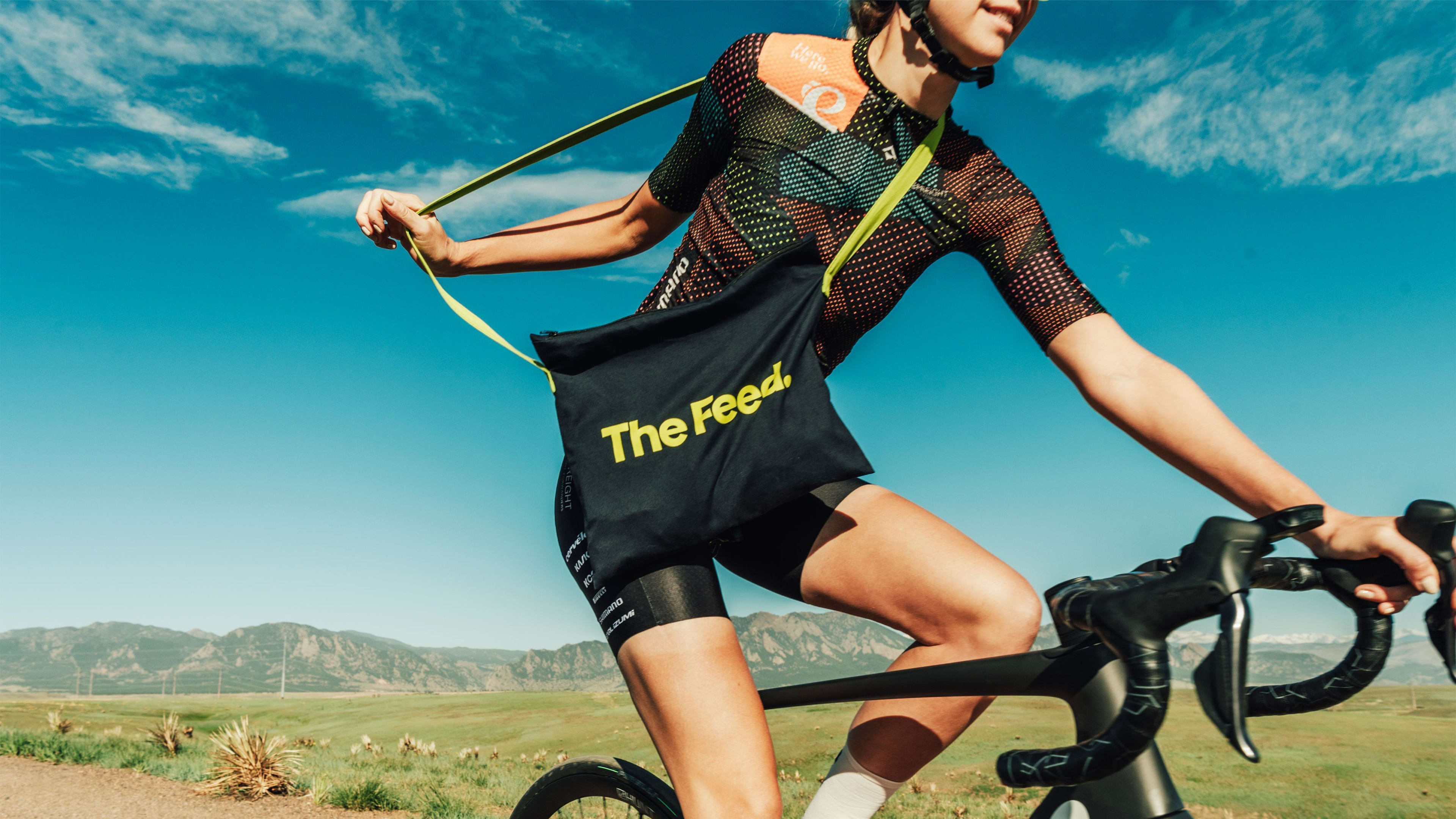
The history of endurance fueling is a lot more interesting than nutrition labels. And no object captures that history better than the musette — the lightweight, flat fabric bag with a single shoulder strap that cyclists have been grabbing at 40 km/h for over a century.
Here's a brief account of how we got here.
July 1, 1903: The Tour Begins
The first TDF rolls out of Paris with 60 riders, zero sports nutrition science, and a general attitude of grit as a fuel source. Tradition holds that a reasonable mid-race strategy included a good pour of beer. Maybe even a full meal at a cafe. Nobody said this sport was always scientific.
The 1920s: The Musette Enters the Race
After the war, the Tour resumed — and riders started carrying musettes from the start. The long-handled bags were lifted straight from military and farm use, slung across the body, and filled with whatever the rider or their soigneur thought would keep them moving: sandwiches, cake, flasks of port wine.
A cycling icon was born.
1935: The Day the Feed Zone Changed Forever
France. A blistering hot stage. The peloton wasn't broken by a brutal climb though — it was broken by something far more dangerous: ice-cold beer.
Legend has it that a rider named Julien Moineau had his friends set up tables of frosty brews right in the feed zone. The elite, disciplined peloton took one look and did the most human thing possible. They stopped. They partied.
Moineau kept going. He crossed the finish line 15 minutes ahead of a heavily refreshed field.
Genius? Sabotage? Either way, that was the day the feed zone started its transformation — shifting from a casual roadside picnic into the high-speed, grab-and-go operation it is today.
The 1950s: The Feed Zone Gets Serious
Roadside café stops and folding tables give way to organized team feed zones. Soigneurs line the route, musettes outstretched, executing split-second handoffs at full race speed. The chaotic becomes choreographed.
2022: The Feed Zone Bites Back
The feed zone has always had a thin margin between precision and chaos. On Stage 8 of the 2022 Tour, a Trek-Segafredo soigneur caught Thibaut Pinot square in the face mid-handoff, leaving the French climber stopped roadside, hands over his face. Even the most choreographed moment in professional cycling can go sideways in a second.
When you have dozens of riders trying to grab their nutrition, things can get a bit dicey.
Now: The Fueling Revolution
Here's what's changed in the last decade, and it's bigger than most people realize.
A few years ago, 60 grams of carbs per hour was considered the ceiling. Push past it, and you'd meet a race-ending kind of GI issue. Today, the best athletes are pushing 120+ grams an hour, every day, and doing things at the end of races that simply weren't possible before.
Truth is, they're doing it through a lot less chewing and a lot more slurping.
The fastest, most cost-effective carbs are liquid. A single scoop of high-carb drink mix delivers 60, 90+ grams of carbs. Our tip: mix a neutral high-carb powder with your favorite flavor of hydration so you're stacking carbs and electrolytes in the same bottle. Less to carry. More to gain.
Why The Feed Is The Feed
Before founding The Feed, Matt Johnson spent a decade as President of Slipstream Sports, running the WorldTour pro cycling team that raced the Tour as Garmin. In 2013, watching how precise nutrition gave professional riders a real competitive edge, he launched The Feed to bring those same products and strategies to every athlete.
The name comes from the feed zone. The idea is the same: fuel athletes without making them stop.
And the ultimate symbol of that philosophy is the musette.
We had to build our own. What started as "let's make one" turned into a dozen-plus prototypes. The result is The Feed Musette: classic racing look, heavier fabric, padded strap, full-length zipper. It works for groceries, the gym, or a quick beer run. We won't judge. You can get it for free with any $75+ order today.
A throwaway race classic, promoted to everyday keeper.
Vive Le Tour.