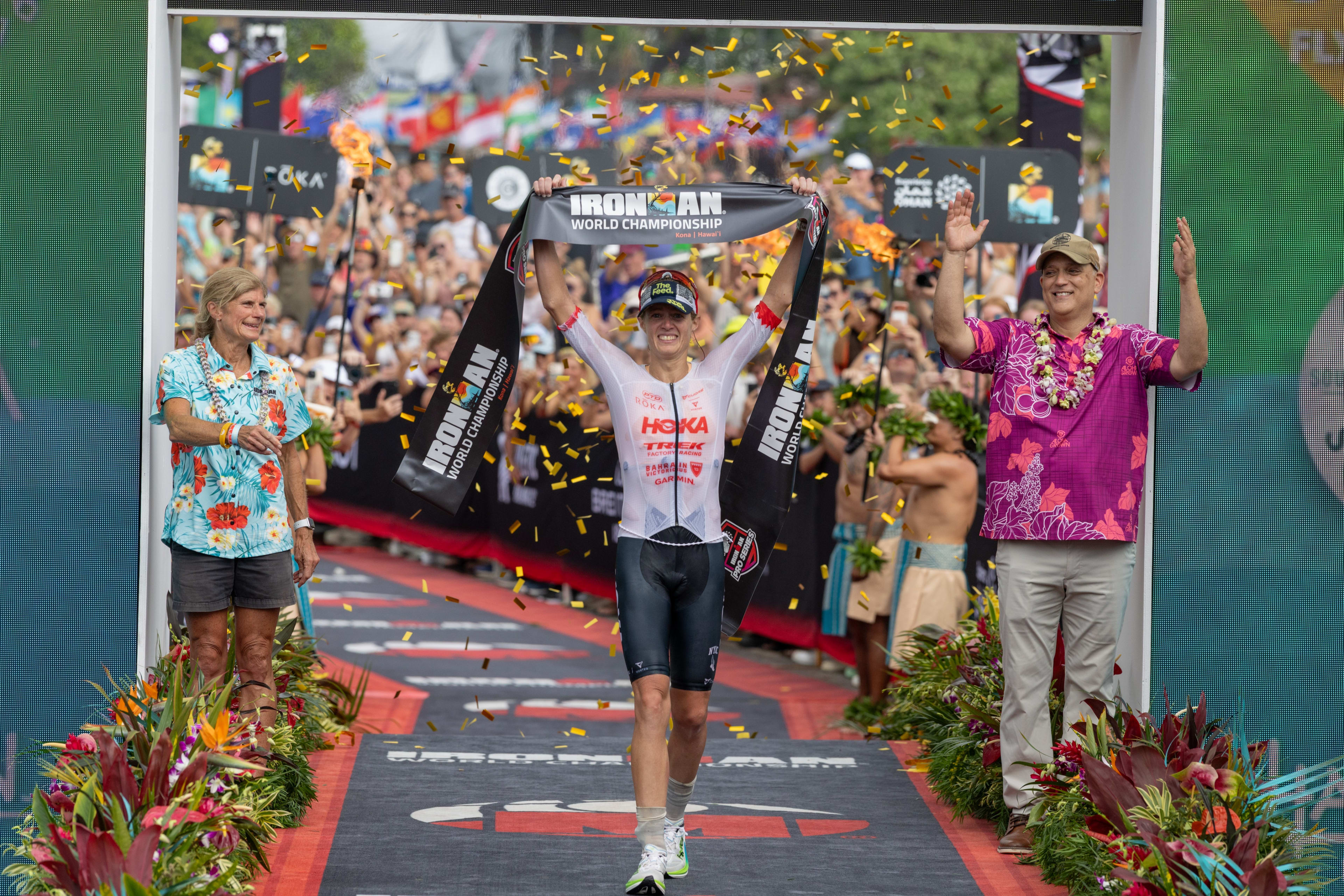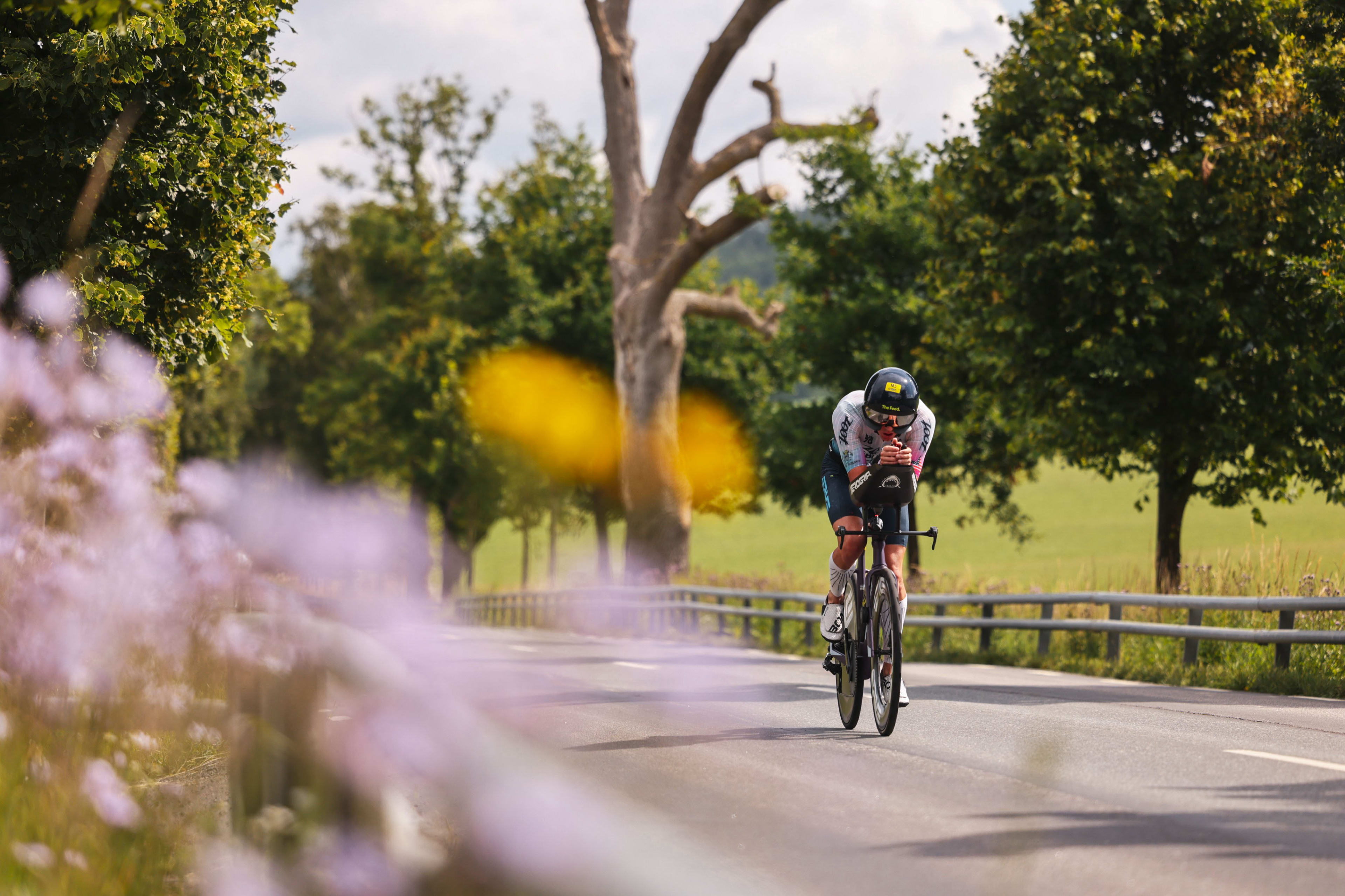
Tips from Olympic triathlete Kirsten Kasper on how to survive – and thrive – during your next brick workout.
In my first season as a professional triathlete, my coach told the training group we'd be doing a brick workout. It was supposed to be a great way to build race-specific fitness. What he didn't tell me was the cost.
Heavy legs, low blood sugar, and some pain with some serious gains.
My first brick workout was a painful experience – but yours doesn't have to be! Here's what I wish I knew going in.
Brick, What?
A brick workout is the quintessential triathlon session: two disciplines back-to-back, most commonly bike then run. It's the closest thing to race day that training can offer.
And don't sleep on the swim-to-bike brick either. It's an underrated way to prepare for the first half of a race. Especially that run from the water to your bike, your heart rate will spike!
Bike for Show
In most triathlons, the bike is the longest leg. It's also low impact, meaning you can push hard with less risk of digging a hole you can't climb out of.
So if you're going to find your limits in this workout, find them on the bike. That's what it's there for.
And if you want your legs to actually work in T2, keep your cadence up. A higher cycling cadence puts more strain on your aerobic system, which means less strain on your muscles. Drop below 80 RPM and you'll feel it the moment you start running.
Hydrate like you mean it
Yes, mistakes were made in my first brick… I didn’t hydrate enough! One water bottle. Water only. No electrolytes, no carbs.
I clearly wasn't taking in enough fluid, and what I was drinking wasn't doing much for me anyway. For your first brick, aim for 750-1000ml per hour, and make it actually count.
Now I use Skratch Labs Hydration Sport Mix, a great balance of carbs, electrolytes, and natural ingredients.
Want something easier on the wallet? The Feed Lab High Carb Drink Mix gets the job done for only $20.
Win the workout with fuel
You thought one water bottle was bad? At least I had some hydration. My back pockets were completely empty - no gels, no chews, nothing. A rookie mistake I hope you won't repeat.
The key with fueling is to start early and stay on top of it. Don't wait until you feel bad. By then, you're already behind. A gel every 20-30 minutes on the bike is a good rule of thumb for your first brick.
How much fuel? I currently aim for around 110 grams of carbs per hour on the bike and 80 on the run. That's a number I've built up over years of racing, not a starting point. Begin modestly and work up from there. This article on high-carb fueling is a great place to start when you're ready to go deeper.
My favorites right now: the AMACX Turbo Gel for flavor and how easy it goes down, and the SIS Beta Fuel Gel when I want a high-carb option that won't wreck my stomach.
Run for flow
This is where things get real.
Running off the bike for the first time is genuinely hard to describe. Heavy legs and a disconnect between what you're telling your body to do and what actually happens. It's weird, but you'll be fine after a few minutes, and your legs will come back around.
If the bike is meant to be pushed, the run is meant to be measured. The impact from running takes its toll on your body, requiring more recovery time.
By staying within yourself, you will still get all the benefits of the brick, without ruining your training for the next week!
My first brick hurt. Yours might too, a little. That's fine. It means it's working. Now you'll know what to do about it.
PS: Want to recover quicker from that first brick? Try the protein and carb-packed Recovery Mix from Momentus.